Boil Water Notice and Pets: What Dogs, Cats, and Small Animals Can Safely Drink
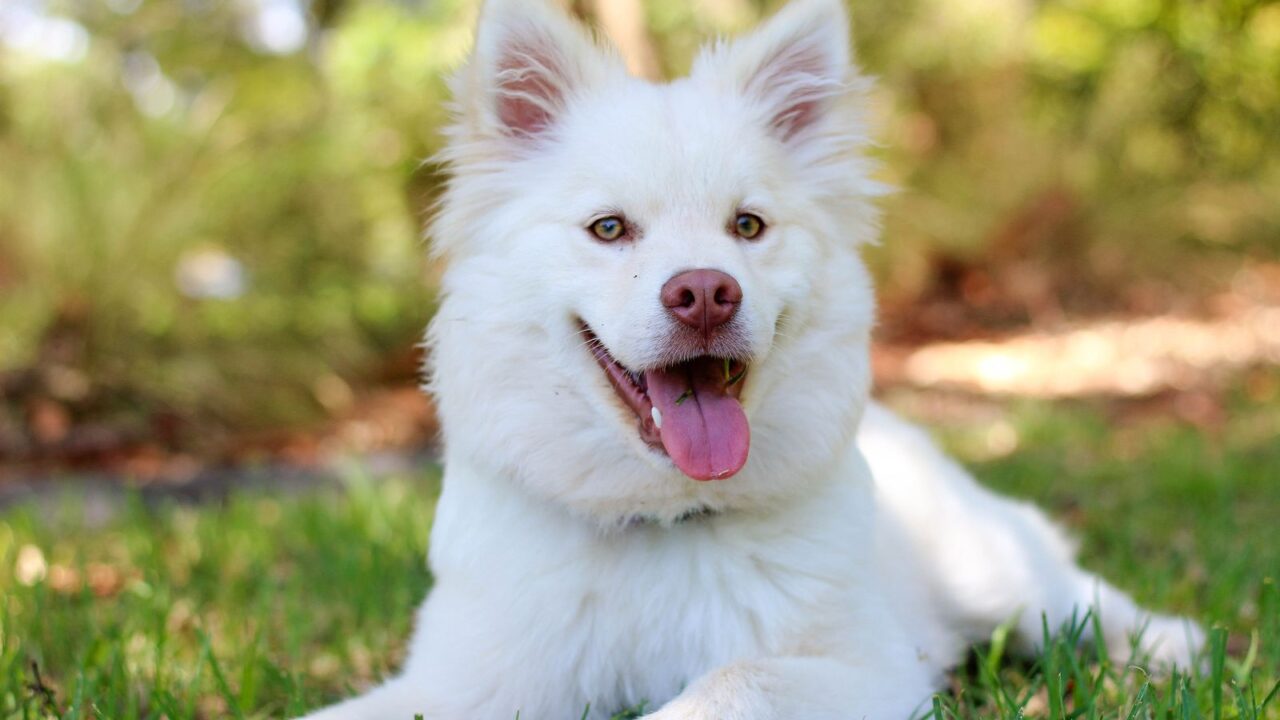
When a boil water advisory is issued for your area, your household pets — dogs, cats, rabbits, guinea pigs, birds, and reptiles — are exposed to the same tap water risks as your family. The good news is that the guidance is straightforward, and protecting them adds only a few minutes to your daily routine during the advisory period.
Can dogs and cats drink tap water during a boil water advisory?
No. The same pathogens that make tap water unsafe for humans — including E. coli, Cryptosporidium, Giardia, and coliforms — can infect dogs and cats and cause diarrhea, vomiting, lethargy, and in severe cases more serious illness. Healthy adult pets are generally more resilient than infants or immunocompromised people, but veterinary public health guidance aligns with the utility advisory: use boiled or bottled water for all drinking water during the notice.
How to provide safe water for pets
The simplest approach is to extend the same water preparation you use for your household to your pet’s bowl:
- Boil a full pot of water, let it cool completely, and fill the bowl from the cooled pot.
- Use commercially bottled water if you have a sufficient supply — many families find it easier to dedicate a gallon jug to the animals each day.
- Keep pet water bowls away from the sink faucet to avoid accidental top-offs with tap water.
Empty and rinse pet water bowls with safe water before each refill. A bowl that has held tap water is not a risk in itself — the concern is ingested water, not residue on a bowl that is quickly rinsed and refilled from a safe source.
How much does a dog or cat need per day?
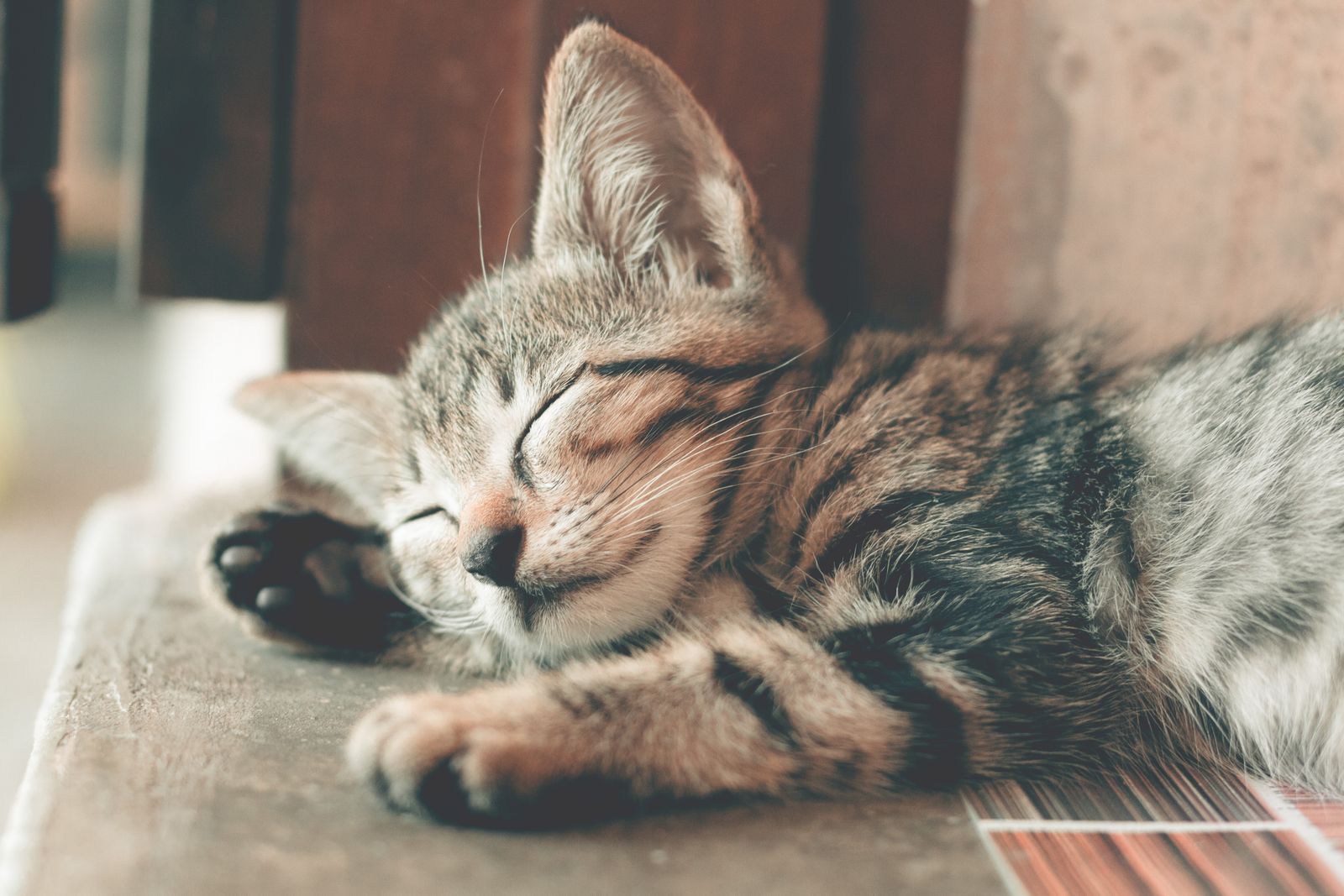
A general rule of thumb is that dogs need roughly 1 ounce of water per pound of body weight per day, and cats need about 3.5–4.5 ounces per 5 pounds of body weight. A 50-pound dog needs around 50 ounces (just over 1.5 liters) daily; a 10-pound cat needs roughly 7–9 ounces. During a short advisory, it is reasonable to boil a liter or two extra each time you boil water for the household and store it in a labeled container.

Small animals, birds, and reptiles
Smaller pets with less body mass have less tolerance for waterborne pathogens. Birds, rabbits, guinea pigs, hamsters, and other small mammals should receive boiled and cooled water or bottled water during an advisory — no exceptions. Reptiles are sensitive to chlorine and certain disinfection byproducts at the best of times; during an advisory, use only treated safe water in their enclosures and misting systems.
Fish tanks and aquariums require special consideration. If you are doing a water change during the advisory, use dechlorinated and temperature-matched bottled water. Some advisories are caused by pressure drops or contamination events that spike chlorine levels as well, which can harm fish even at concentrations safe for humans.
What if your pet accidentally drinks tap water?
A single small drink from a tap bowl is unlikely to cause serious illness in a healthy adult dog or cat, but monitor your pet for the next 24–48 hours for signs of gastrointestinal distress: loose stool, vomiting, reduced appetite, or unusual lethargy. If symptoms develop or if your pet is elderly, a puppy or kitten, or already immunocompromised, contact your veterinarian. For animals that drink from outdoor sources — ponds, puddles, streams — the advisory does not change the existing risk from those sources, but it is a good reminder that those are not safe either.
Bathing and rinsing pets
Bathing dogs and cats with tap water during a boil water advisory is generally considered acceptable by veterinary guidance, following the same logic as human showering: the risk is ingestion, not skin contact. Take care not to let your pet drink the bathwater. If your dog is a known water-drinker during baths, consider a sponge bath using boiled and cooled water or simply postpone non-urgent grooming until the advisory is lifted.
When the advisory is lifted
The same flushing protocol that applies to human water use applies to pet water sources:
- Flush all cold taps for at least five minutes.
- Empty and rinse pet bowls with fresh flushed water before first use.
- If you use an automatic pet water dispenser or fountain connected to the water line, disconnect and flush it per the manufacturer’s instructions before turning it back on.
Sources
- CDC, Drinking Water Advisories: An Overview: https://www.cdc.gov/water-emergency/about/drinking-water-advisories-an-overview.html
- American Veterinary Medical Association, Disaster Preparedness for Pet Owners: https://www.avma.org/resources-tools/pet-owners/emergency-care/disaster-preparedness-pet-owners
- EPA, Emergency Disinfection of Drinking Water: https://www.epa.gov/ground-water-and-drinking-water/emergency-disinfection-drinking-water
 Lead in Drinking Water: Why Boiling Makes It Worse and What Actually Works
 Baby Formula During a Boil Water Advisory: Safe Preparation Step by Step
 How Long to Boil Water: The Exact Time by Elevation and Situation