Watering Your Garden and Harvesting Produce During a Boil Water Advisory

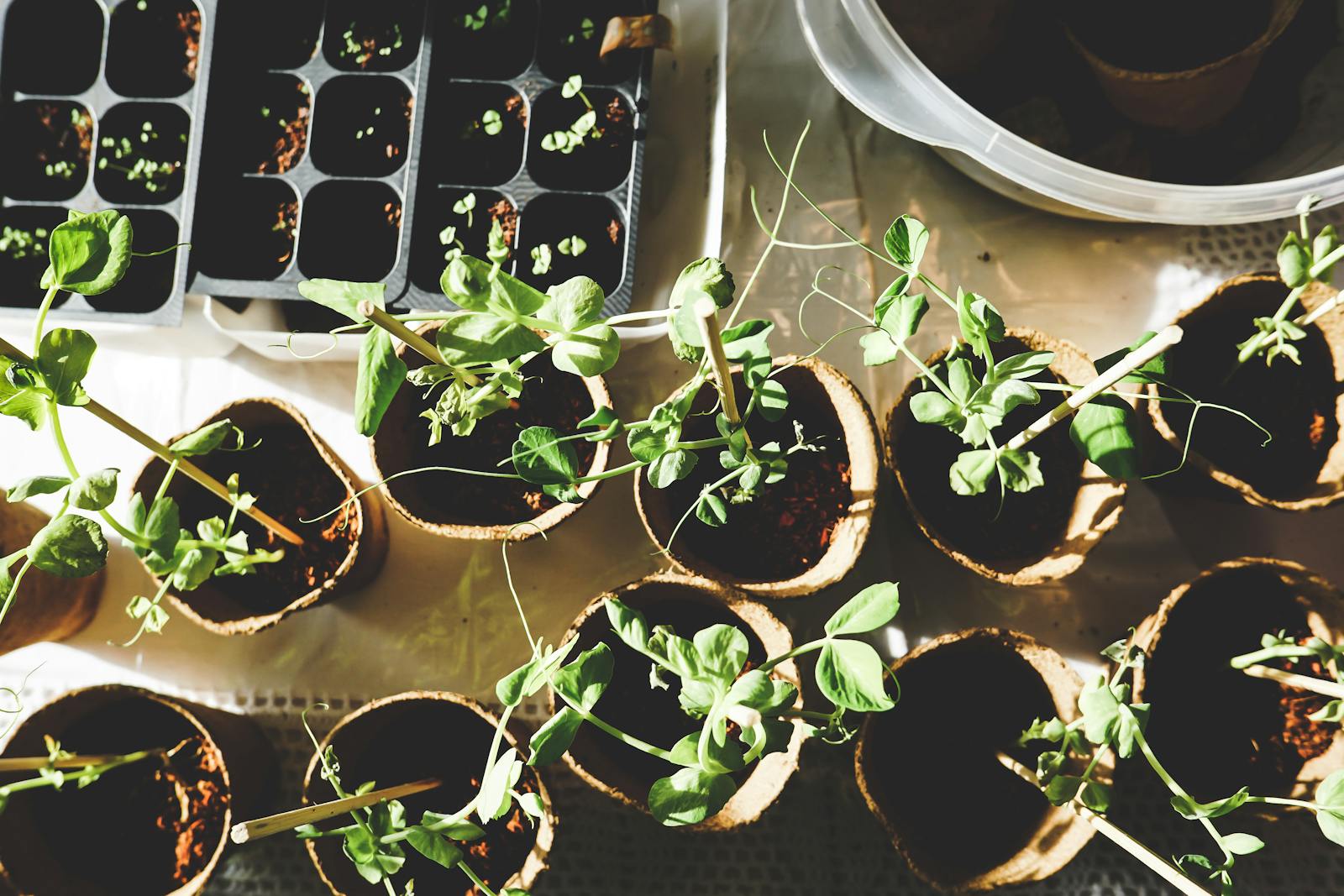
Gardeners with a vegetable patch, herb garden, or fruit trees face an underappreciated set of questions during a boil water advisory: Can I water my plants with tap water? Can I eat produce I harvested before the advisory started? What about vegetables I harvest during the advisory? The answers depend on the type of plant, how close the edible part is to soil level, and when the produce was last in contact with water from the affected supply.
Watering plants with tap water during a boil water advisory
Plants themselves are not harmed by water containing the bacteria and protozoa that trigger boil water advisories — plants do not have immune systems in the way animals do, and typical waterborne pathogens do not infect plant tissue. The concern is entirely about whether contaminated water reaches the parts of the plant that humans will eat without further cooking.
For ornamental plants, lawns, trees, and shrubs, tap water from the advisory-covered supply is fine to use. There is no health concern for plants that humans do not eat.
For food-producing plants, the guidance depends on what part of the plant is edible and whether that part will be cooked before eating:
- Root vegetables (carrots, beets, radishes, potatoes): The edible part grows underground and is typically cooked before eating. Watering with tap water is acceptable; wash harvested roots with safe water before eating, and cook thoroughly.
- Fruiting vegetables (tomatoes, peppers, squash, cucumbers): The edible part grows above soil and is not typically directly irrigated. Watering soil around these plants with tap water is acceptable as long as you do not spray water directly onto the fruit or foliage you will eat. Wash harvested fruit with safe water before eating.
- Leafy greens (lettuce, spinach, kale, basil, herbs): The edible part is the leaf, which is in direct contact with any spray irrigation. Do not use tap water on leafy greens during the advisory — use safe water (boiled and cooled or bottled) if the plants need watering. Alternatively, water at the base of the plant only without wetting the leaves, and wash thoroughly with safe water before eating.
- Strawberries and low-growing berries: Similar to leafy greens — the edible fruit is close to soil level and can be splashed by irrigation. Use safe water or drip irrigation at the base during the advisory period.
Harvesting produce during the advisory
Produce harvested from your garden during an active boil water advisory should be washed with safe water (boiled and cooled or commercially bottled) before eating or further preparation. This applies even if the advisory was not caused by a pathogen that is likely to contaminate produce — the precautionary step is simple and cost-effective.
For produce that will be fully cooked to 165°F or higher (boiled, roasted, stir-fried), the cooking process itself will eliminate any pathogens present on the surface. A rinse in safe water before cooking is still good practice to reduce any soil-borne contamination.
For produce eaten raw — salad greens, fresh herbs, cucumbers, tomatoes, berries — a thorough wash with safe water is essential. Do not rinse with tap water from the advisory-covered supply and serve raw.

What about produce harvested just before the advisory started?
Produce harvested before the advisory was issued and stored in the refrigerator without being rinsed is generally considered safe to rinse with safe water and consume normally. The pathogen risk is in the water you use to rinse, not in what was already growing on the plant before the advisory. Wash stored produce with safe water before eating during the advisory period.
Produce that was rinsed with tap water just before the advisory was issued — something you washed this morning before the notification arrived — is a trickier case. For produce eaten raw, the safest approach is to re-rinse with safe water if any time has passed and there is any moisture remaining on the surface. If the produce was rinsed and then placed in the refrigerator and is now dry, the risk is low but a quick rinse in safe water before serving is a reasonable step for high-risk household members.

Composting and food waste during the advisory
Food scraps and garden waste can go into a compost pile normally during a boil water advisory. Composting does not interact with the water supply in a way that creates any new advisory-related risk. If you water your compost pile to maintain moisture, use tap water from the advisory supply without concern — compost is not a food source, and pathogens in compost are killed by the heat of active decomposition.
Community gardens and shared irrigation systems
Community gardens often share a water connection to the municipal supply. During a boil water advisory, the community garden’s irrigation water from that supply carries the same advisory. Coordinate with other gardeners to:
- Post notice of the advisory at the garden entrance and water connection.
- Apply the same garden-type guidance above to all shared beds.
- Remind gardeners to wash produce with safe water at home before eating — do not rinse at a shared sink connected to the advisory supply.
Backyard chickens and other livestock
If you keep backyard chickens, ducks, rabbits, or other animals, they face the same pathogen risk from advisory water as domestic pets. While chickens and ducks are generally quite robust, they can carry and transmit some waterborne pathogens to humans through their meat and eggs. During the advisory, provide safe drinking water to all backyard animals, and wash your hands with soap and water (followed by sanitizer) after handling them or their enclosures.
Key summary for gardeners
- Ornamental plants, lawns, trees: tap water is fine.
- Root vegetables that will be cooked: tap water for the soil is fine; wash the vegetable in safe water before eating.
- Fruiting vegetables (tomatoes, peppers): avoid spraying water on the fruit; wash with safe water before eating.
- Leafy greens and herbs eaten raw: use safe water for irrigation or water at the base only; wash with safe water before eating.
- All produce eaten raw: wash with safe water (boiled or bottled) during the advisory.
Sources
- CDC, Food Safety During and After Emergencies: https://www.cdc.gov/foodsafety/emergencies.html
- FDA, Produce Safety and Water Quality: https://www.fda.gov/food/food-safety-modernization-act-fsma/fsma-final-rule-produce-safety
- University of Minnesota Extension, Food Safety in the Garden: https://extension.umn.edu/yard-and-garden-news/food-safety-and-gardening
 Emergency Water Storage: How Much to Store, What Containers to Use, and When to Rotate
 Do Water Filters Work During a Boil Water Advisory? The Honest Answer