Can You Do Laundry During a Boil Water Advisory? What’s Safe and What Isn’t
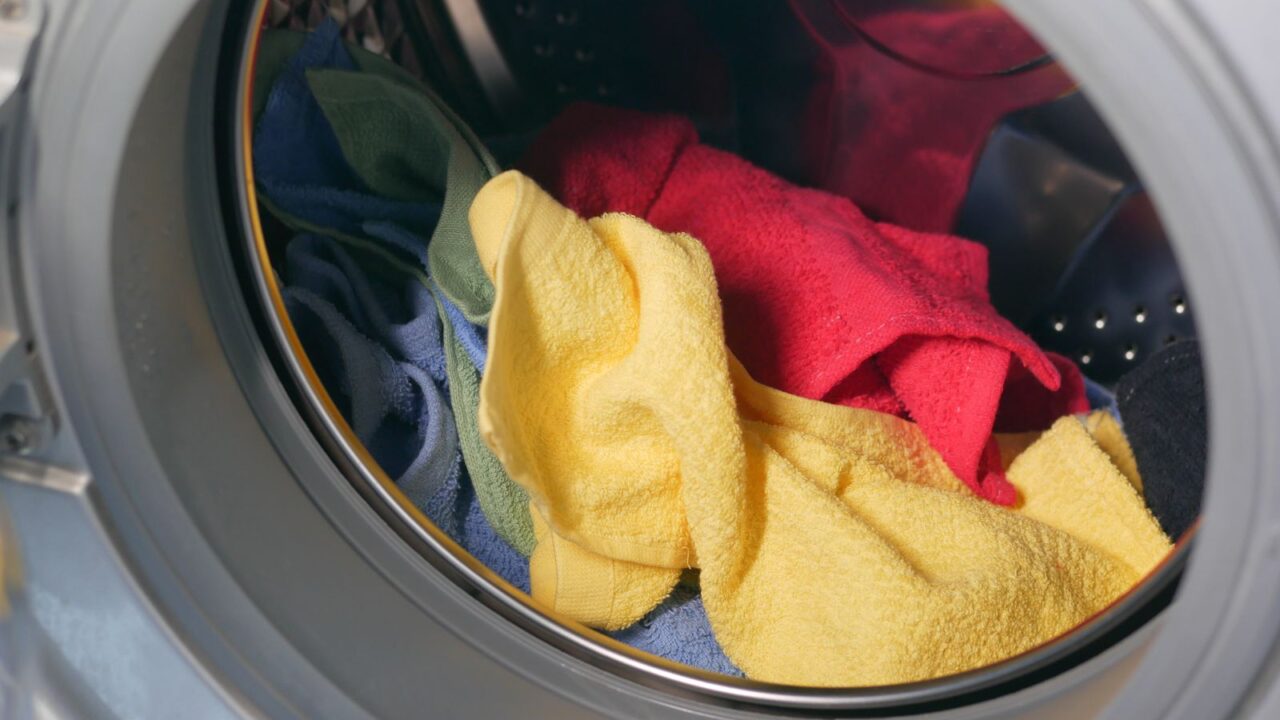
Of all the questions that arrive after a boil water notice, laundry is the one with the most reassuring answer. Washing machines use detergent, hot water and a long rinse cycle, and the clothes are dried afterwards. That combination is hostile to the pathogens that trigger boil water advisories in the first place.
That does not mean laundry is entirely without rules. The risk is not the clothes — it is your hands, the pre-soak bucket, and the specific items that go against a baby’s skin or into a mouth.
Here is what public health guidance actually says, and the small adjustments that make a normal laundry routine safe during an advisory.
The short answer
Yes, you can do laundry during a boil water advisory. Washing machines are considered safe to use with normal detergent, especially on a warm or hot cycle with an extra rinse.
Do not hand-wash clothes in tap water and then wear them damp, soak items in a bucket of tap water in the bathroom, or clean the washing machine’s filter with bare hands and no follow-up hand wash.
Use boiled-and-cooled or bottled water if you need to pretreat a stain by hand, rinse something manually, or wash items for a newborn.
Why laundry is lower risk than dishes
Three factors work in your favor.
Detergent. Modern detergents contain surfactants that break down the lipid membranes of many pathogens and lift them off fabric. Detergent alone does not sterilize, but it substantially reduces the load.
Dilution and rinse. A washing machine uses 20 to 60 gallons of water per load, then drains and rinses. Even if the incoming water contains pathogens, the concentration on the fabric at the end of the cycle is dramatically lower.
Drying. Heat from a dryer, or a full day in the sun, finishes the job. Most pathogens that survive a wash cycle do not survive a hot dryer.
Compare that with dishwashing, where a plate goes from the sink to the table in minutes with no detergent dwell time and no heat.

Five rules that matter
- Wash your hands after loading and unloading. Use boiled-and-cooled or bottled water and soap. This is the step people skip.
- Do not pre-soak in tap water. If a stain needs soaking, use a small amount of boiled-and-cooled water in a basin, and pour it down the drain afterwards — not into the sink where dishes are washed.
- Skip the “refresh” cycle that uses a cup of tap water by hand. Nobody needs it.
- Do not put wet laundry in your mouth. It sounds absurd, but damp cloths, towels and baby bibs end up against faces. Make sure everything is fully dry.
- Clean the detergent drawer and the door seal after the advisory, not during it. Those parts collect water and lint.
The best machine settings
You do not need a special sanitizing cycle, but these choices help:
- Warm or hot water for anything that can tolerate it: towels, sheets, underwear, socks, work clothes.
- Cold water for delicates, wool and anything that would shrink — detergent and drying still do most of the work.
- Extra rinse if your machine has the option. It removes more of the incoming water.
- Heavy soil setting for heavily used items; it adds time and agitation.
- Dry fully. Tumble dry on medium or high if the fabric allows, or hang in direct sun. Do not fold clothes while still damp.
For high-risk items — cloth diapers, cleaning cloths, anything used by someone who is ill — add a second wash cycle or use the hottest setting the fabric can handle.
Cloth diapers and baby laundry
This is the one category where parents should be more careful, because the items go against broken skin and into a baby’s mouth. CDC does not publish cloth-diaper-specific guidance; its general rule — “it is safe to wash clothes as usual” — applies, and hot water plus complete drying is the conservative reading of that rule.
- Wash diapers on a hot cycle with detergent, then run a second rinse cycle.
- Dry on high heat, or line dry in full sun.
- Wash your hands thoroughly after handling dirty diapers, using safe water.
- Keep a separate hamper for diapers so they do not touch other laundry.
- If your baby has diaper rash with open skin, consider disposables until the advisory is lifted.
Baby clothes, bibs and blankets can be washed normally, but make sure they are completely dry before use, and do not rinse them by hand in tap water.
Hand washing clothes
If you normally wash clothes by hand — in an apartment without a machine, or for delicate items — the advisory complicates things.
Best option: postpone hand washing until the advisory is lifted.
If you cannot wait: use boiled-and-cooled or bottled water, detergent, and a final rinse in clean safe water. Wring thoroughly, then dry completely. Wear gloves if you have any cuts on your hands, and wash your hands afterwards with safe water and soap.
Do not wash clothes in a bathtub or sink that also handles food preparation, and clean the basin afterwards with a disinfectant.

Laundromats and shared machines
Shared machines are generally fine: the machine’s own cycle does the work, and the water contact is indirect. Two practical notes:
- Bring hand sanitizer or a bottle of safe water to clean your hands after handling the machines.
- Do not sort laundry on a folding table that other people use for wet, untreated clothes.
If the laundromat is in an area under a “do not use” order rather than a boil water advisory, stay away until the order is lifted. That distinction matters — see boil water advisory vs. boil water order.
Skin conditions and open wounds
People with eczema, psoriasis, open cuts or a weakened immune system should avoid contact with tap water during an advisory. For laundry, that means:
- Wear gloves when loading the machine.
- Do not hand-wring wet clothes.
- Wash hands with safe water and soap afterwards.
- If a wound comes into contact with tap water, clean it with boiled-and-cooled water and cover it.
The CDC’s general guidance for bathing applies here too: showering is considered safe as long as you do not swallow water, but people with compromised skin should be more cautious. Our guide to showering during a boil water advisory covers that in detail.
After the advisory is lifted
Once the utility confirms the water is safe:
- Run a hot, empty cycle in the washing machine with a cup of white vinegar or a machine cleaner.
- Wipe the door seal and detergent drawer.
- Wash the lint filter by hand with soap and safe water.
- Rewash anything that was washed on a cold cycle during the advisory and is used by an infant or an immunocompromised person.
Frequently asked questions
Can I wash clothes in cold water during a boil water advisory? Yes, though warm or hot is better for towels, underwear and heavily soiled items. Detergent and drying do most of the work.
Do I need to add bleach to the wash? No. Bleach damages fabrics and is not necessary. If you want extra assurance for cloth diapers or cleaning cloths, use the hottest cycle the fabric allows and a second rinse.
Is it safe to use a shared laundromat? Yes, in a boil water advisory area. Not during a “do not use” order.
Can I hang clothes outside? Yes — sunlight is an additional disinfectant. Bring them in fully dry.
What about dry cleaning? Dry cleaning uses solvents, not tap water, so it is unaffected. The only risk is the walk there.


Bottom line
Laundry is the least disruptive chore during a boil water advisory. Run normal cycles, use warm or hot water where you can, dry everything completely, and wash your hands with safe water afterwards. The exceptions are cloth diapers, hand washing, and anything that touches broken skin — those need boiled or bottled water and a bit more attention.
For the wider household routine, see what to do during a boil water advisory and washing dishes safely. If you are not sure whether your area is affected, check the live notices page.
Sources
- CDC, *Boil Water Advisory* — household guidance: https://www.cdc.gov/water-emergency/about/index.html
- CDC, *Hygiene and Handwashing* during water emergencies: https://www.cdc.gov/hygiene/about/index.html
- EPA, *Emergency Disinfection of Drinking Water*: https://www.epa.gov/ground-water-and-drinking-water/emergency-disinfection-drinking-water
 Disinfecting Without Bleach: What Actually Works During a Boil Water Advisory
 Takeout and Delivery During a Boil Water Advisory: What to Order, What to Skip
 Cooking Pasta, Rice and Soup During a Boil Water Advisory