Takeout and Delivery During a Boil Water Advisory: What to Order, What to Skip
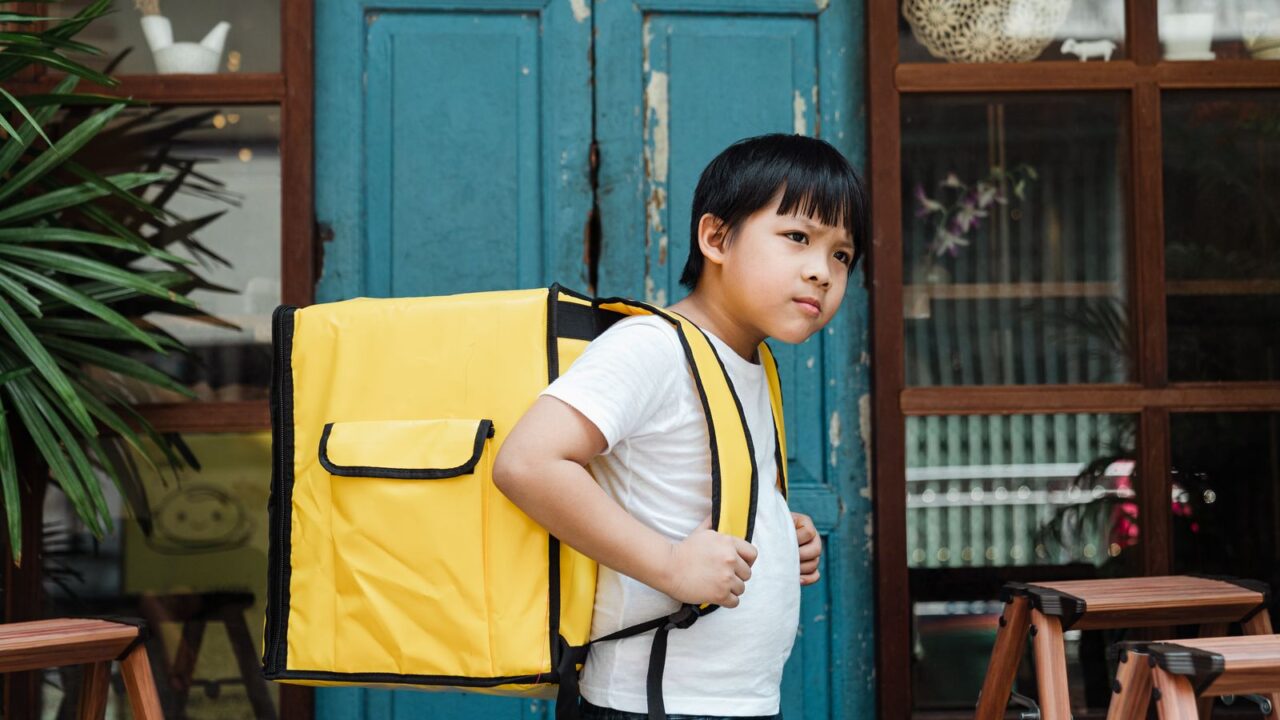
Ordering dinner during a boil water advisory feels like outsourcing the problem. Someone else has the water, someone else washes the dishes, and the food arrives hot. That is mostly sound reasoning, with one exception that accounts for most of the real risk: the ice.
A fountain soda is tap water and tap ice in the same cup. Iced tea is brewed with tap water and poured over more of it. A smoothie is the advisory in a blender. None of that improves because a professional made it.
This guide covers what travels badly, how to order around it, and the questions worth asking at the counter.
Where the risk actually sits
Health departments do not order restaurants to close when a boil water notice is issued. They require the kitchen to operate differently: bottled or boiled water for drinking, cooking and handwashing; bagged ice instead of machine ice; produce washed in safe water; no fountain drinks. A kitchen that follows those rules turns out food as safe as on any other Tuesday.
Three things still go wrong on the way to your door.
- Ice and cold drinks, because they are tap water served cold.
- Raw produce, because washing it in tap water does not disinfect it — it contaminates it.
- Time, because a delivery order sits longer between stove and table than a plated one.
Ice is the first thing to check
CDC is blunt: during any type of drinking water advisory, do not use water or ice from appliances connected to your water line, including refrigerator and freezer dispensers. State guidance adds the restaurant version — discard all ice made with tap water, clean and sanitize the bin, make new ice from boiled, bottled or commercially bagged water.
So a soft drink is two servings of tap water with syrup. The same goes for iced coffee, cold brew, iced tea, frozen margaritas, slush drinks, smoothies, and the complimentary water glass.
Safe: sealed bottles, cans and cartons; hot coffee and tea made with boiled or bottled water; beer and wine in sealed containers; anything you can order with no ice.
Ask: “Is your ice bagged ice?” A kitchen that has thought about the advisory answers immediately. A shrug is an answer too.

Salads and the produce problem
Produce fails in a way that surprises people. Rinsing lettuce under the tap does not clean it — the water is the contamination route, and the rinse leaves a film on a surface that will never be heated again.
Food service guidance is to wash produce with water from an approved source: bottled, or boiled and cooled. Many kitchens pull raw produce entirely for the duration, which is the cleaner call.
Highest risk: salad bars, pre-made salads in the cold case, pre-cut fruit, coleslaw, fresh salsa and pico de gallo, guacamole, sprouts, and the parsley scattered over a plate.
Lower risk: cooked vegetables, anything that hits a hot pan, and whole fruit you peel yourself. A banana is fine; a tub of cubed melon is not.
Dressings are easy to forget. A vinaigrette is oil, vinegar and water — if the water came from the tap, the dressing is a delivery system for it.
Drinks: the short version
| Order this | Skip this | |—|—| | Bottled water, canned soda, sealed juice | Fountain soda, any drink with ice | | Hot coffee or tea | Iced tea, cold brew, iced coffee | | Beer or wine in a sealed container | Frozen drinks, smoothies, fresh juice |
The same logic applies to a self-serve drink station and the water pitcher on the table.
Packaging: what matters, and what does not
Pathogens do not crawl through a clamshell. The bag, the receipt, the lid and the cardboard are not a meaningful route of infection, and treating them as one leads to worse decisions — like rinsing a clean container under contaminated tap water.
- Wash your hands after handling the bag and before you eat. That is the step that matters.
- Do not rinse containers with tap water “to be safe.” That adds contamination rather than removing it.
- Do not reuse a container unless you wash it like a dish: hot soapy water with safe water, then a sanitizing step.
If you are doing the dishes afterwards, the dishwashing routine covers the hand-wash method and the 150 °F final rinse most home machines never reach.

What to ask before you order
- “Are you operating under the boil water notice, and is your ice bagged?”
- “Can I get that with no ice, or in a bottle?”
- “Are salads and cut fruit being served today?”
- “Does the soup come to a boil before it goes in the container?”
Most counter staff will not know the fourth. Ask anyway — it tells you whether the kitchen has a procedure, and a kitchen with a procedure is what you are buying. During an advisory, inspectors are asking the same questions.
Safe choices
Pizza, burgers, fried chicken, barbecue. Tacos and burritos with cooked fillings. Pho, ramen and noodle soups served at a boil. Hot soup, chili and stew. Stir-fries, curries, rice dishes. Bread, rolls, packaged snacks. Whole fruit you peel yourself.
The pattern is heat and sealing. Food cooked through and kept hot is the safest thing on the menu.
Choices to skip for a few days
Salad bars and pre-made salads. Pre-cut fruit. Sushi, oysters, ceviche, tartare. Fountain drinks and anything with ice. Smoothies, fresh juice, cold brew. Fresh salsa, guacamole, pico de gallo. House dressings and water-thinned sauces.
If you are pregnant, immunocompromised, or feeding a young child, the immunocompromised guidance is stricter than this list.
Time and temperature
FDA holding standards are 140 °F or above for hot food, 40 °F or below for cold, and two hours maximum for perishables at room temperature. Delivery stretches both ends.
- Order from close by, at off-peak times. A kitchen improvising through a dinner rush is not the kitchen you want during an advisory week.
- Prefer hot over cold. Heat is your margin.
- Eat within two hours of delivery and refrigerate the rest.
- Skip raw shellfish delivery. The cold chain is under strain and you cannot inspect it from your kitchen.
Reheating at home
- Leftovers and delivered food: reheat to 165 °F, steaming throughout.
- Soups and stews: a rolling boil for one minute also settles any doubt about the water in the base.
- Microwaves heat unevenly. Stir midway, let it stand, check the center rather than the edge.
- Do not reheat rice more than once.
The full cooking-side rules — pasta, rice, soup, and the mistakes that undo a good boil — are in cooking during an advisory.
If you run the restaurant
The operator version involves ice machines, handwash stations, produce sinks, dish machines, a written procedure and a log an inspector can read. That checklist is in restaurants and small businesses.
When the answer is not “boil”
Everything above assumes a microbial advisory. If the notice says do not drink or do not use, the problem is chemical, and boiling concentrates it rather than removing it. Many restaurants close; the ones that stay open switch to bottled water for everything. See does boiling remove lead and chemicals.

Ice at home, too
Ice made before the advisory goes in the sink, the bin gets washed, and the refrigerator dispenser stays off until the notice lifts. If your household runs on iced coffee and sparkling water, the coffee maker and ice machine guide covers the appliances one by one.

Bottom line
Order the hot food. Skip the ice. Ask about the salad. Eat within two hours, reheat what you keep. Those four habits remove nearly all the risk delivery adds, and none require interrogating a cashier. Most advisories run 24 to 48 hours, and the kitchens that handled this well will be the ones still answering the phone.
Sources
- CDC, *Drinking Water Advisories: An Overview*: https://www.cdc.gov/water-emergency/about/drinking-water-advisories-an-overview.html
- NYS Department of Health, *Boil Water Notices: FAQ for Food Service Establishments*: https://www.health.ny.gov/environmental/water/drinking/boilwater/docs/faq_food_service_establishments.pdf
- FDA, *Food Safety During Power Outages and Floods*: https://www.foodsafety.gov/food-safety-charts/food-safety-during-power-outage
- TCEQ, *Understanding Boil Water Notices*: https://www.tceq.texas.gov/drinkingwater/notices/bwn/understanding-bwns
 Disinfecting Without Bleach: What Actually Works During a Boil Water Advisory
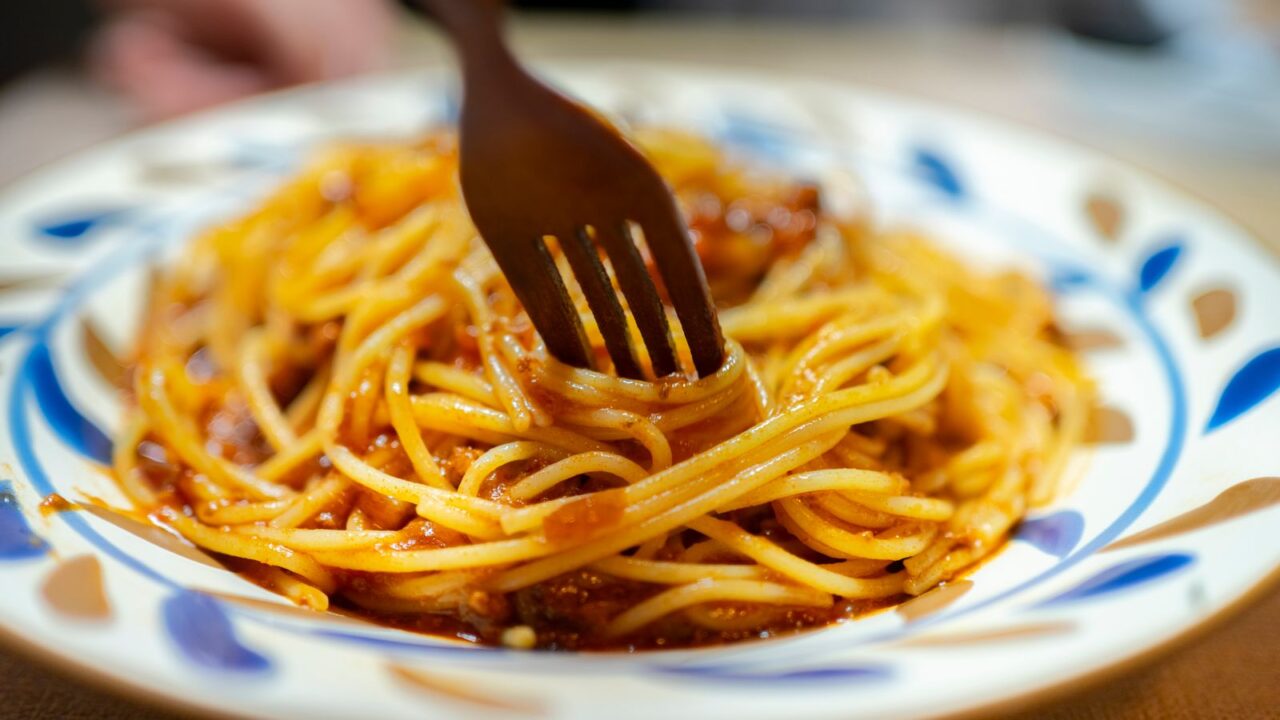 Cooking Pasta, Rice and Soup During a Boil Water Advisory
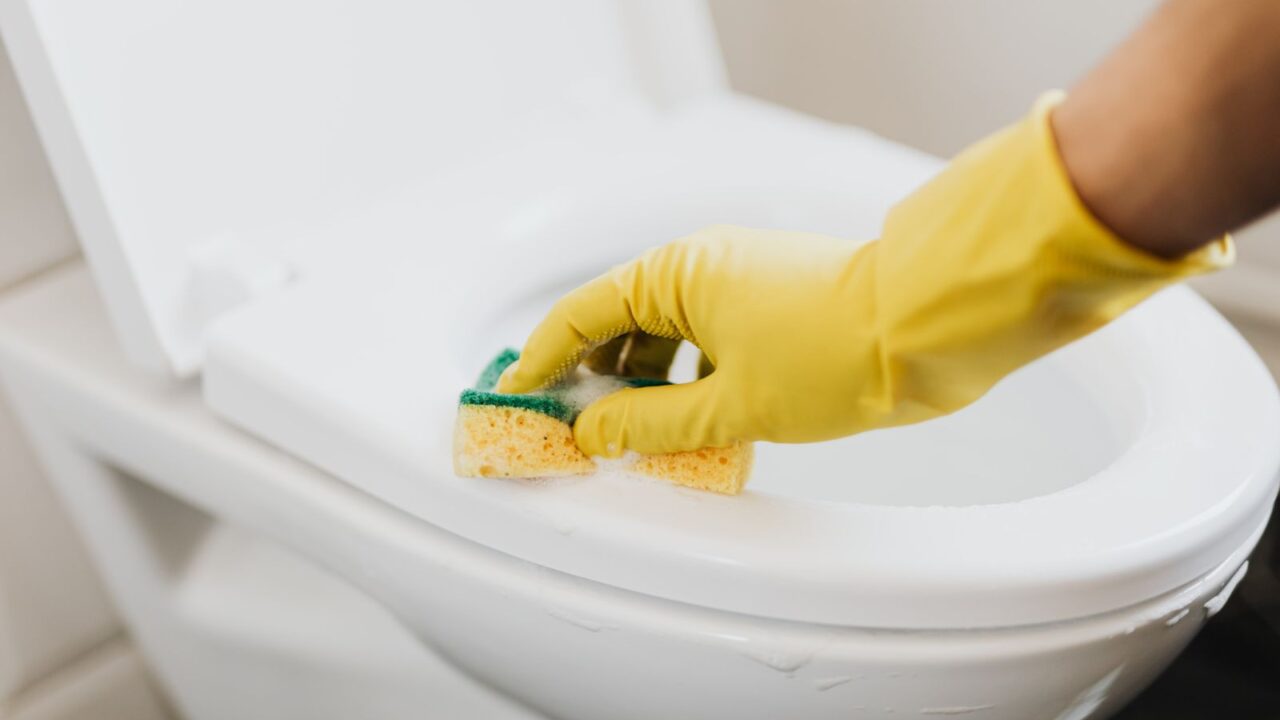 Cleaning and Sanitizing Your Kitchen and Bathroom After a Boil Water Advisory