Coffee Makers, Ice Machines and Soda Fountains During a Boil Water Advisory
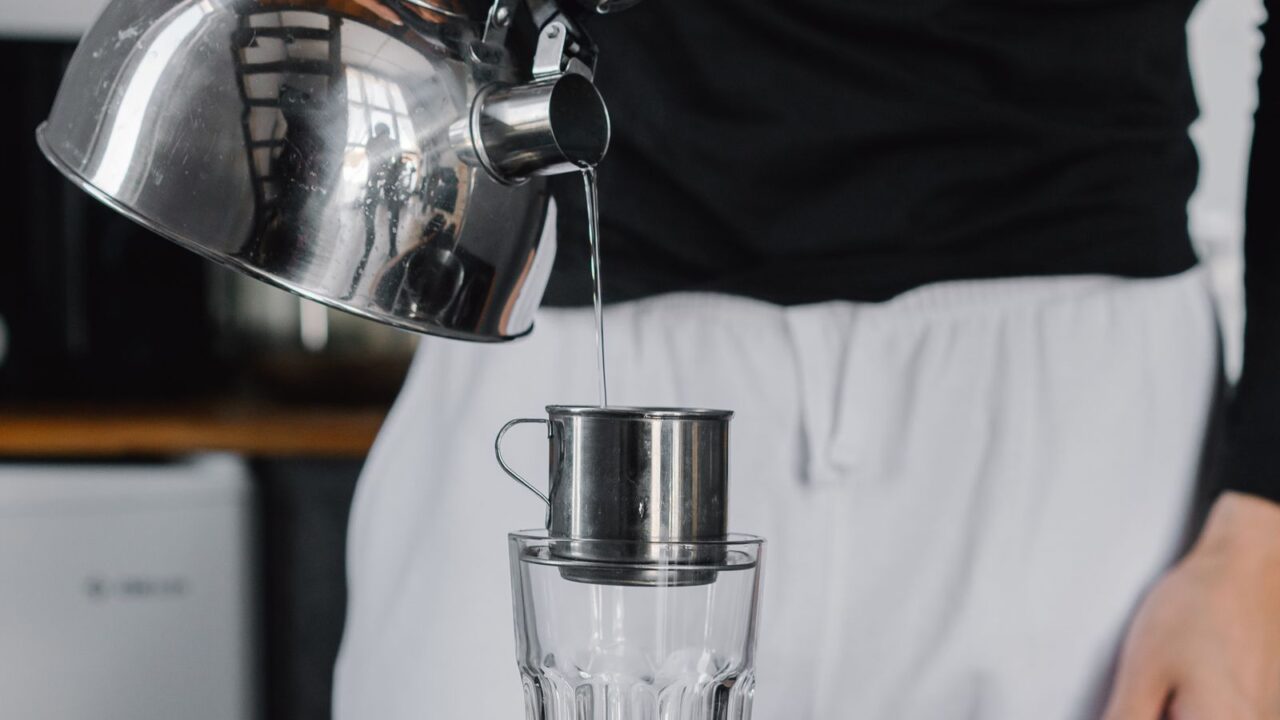
Coffee is the first thing most people make in the morning, and it is also one of the easiest ways to break a boil water advisory without noticing. A drip machine with a reservoir, a pod machine, a fridge dispenser, a soda fountain at the office, an ice maker in the freezer — all of them are water appliances, and all of them are affected.
The CDC’s instruction is unusually blunt: during any drinking water advisory, do not use water or ice from appliances connected to your water line. That includes the dispensers in your refrigerator or freezer.
This guide explains which appliances are affected, which are not, how to keep making coffee safely, and how to clean everything when the advisory is lifted.
The CDC rule in one sentence
Anything connected to the water line is off-limits. Anything you fill by hand with safe water is fine.
That single distinction resolves almost every appliance question.
Coffee makers
Drip machines with a reservoir: the reservoir is filled by hand, so the machine itself is not the problem — the water is. Fill it with bottled or boiled-and-cooled water and it is safe. Do not run tap water through it “just to rinse.”
Pod machines (Keurig-style): same rule. Fill the reservoir with safe water. Do not use the machine’s plumbed line if it has one.
Espresso machines with a water line: disconnect or switch off the plumbed supply. Fill the reservoir manually with safe water if the machine allows it.
Plumbed-in commercial brewers: switch to a manual pour-over setup or bottled water until the advisory lifts.
Instant coffee and tea: boiling water for one minute makes tap water safe, so a kettle works normally. Let it cool slightly before pouring over coffee grounds; boiling water scalds the grounds and makes the coffee bitter.
One caution: boiling water does not descale a machine or sanitize its internals. If your machine sat unused with tap water in the reservoir during the advisory, run a cleaning cycle with safe water before using it again.

Ice makers
Ice is water, and ice makers are plumbed.
- Refrigerator ice dispensers: turn them off. Discard all ice in the bin.
- Standalone ice machines: turn off the water supply, discard the ice, and clean the bin.
- Hotel and office ice machines: assume they are affected unless the building has confirmed an alternate supply.
- Ice trays: fill them by hand with bottled or boiled-and-cooled water. This is the simplest safe option.
After the advisory lifts, run three batches of ice and throw them away before using the machine normally. If the supply line to the ice maker is longer than 20 feet, flush five batches, per state guidance.
Soda fountains and post-mix systems
Restaurant and convenience store soda fountains mix syrup with carbonated water from the building’s supply.
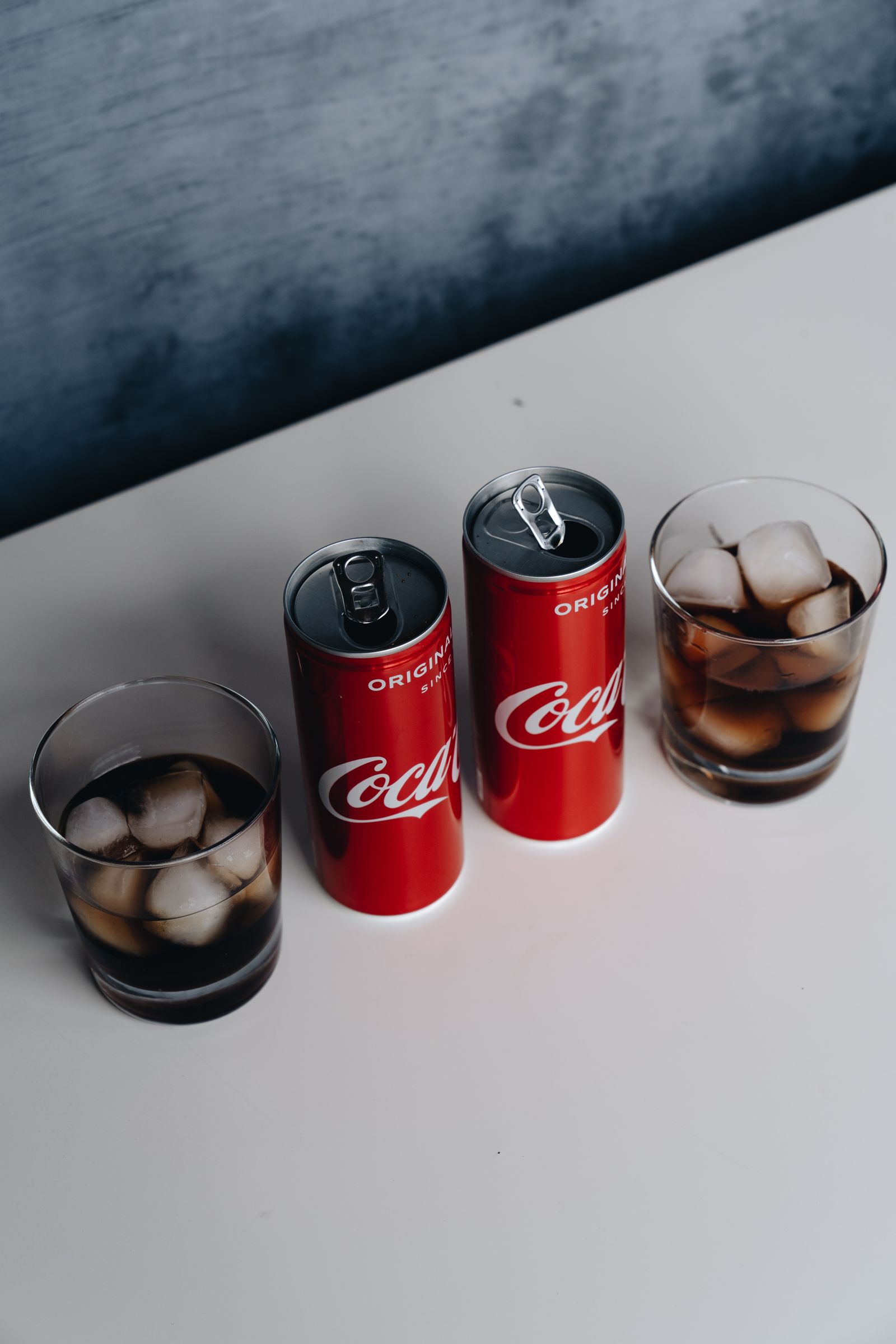
- During an advisory: turn off the fountain. Offer bottled or canned drinks.
- Self-service fountains in offices and gyms: the same rule applies. A sign is not enough; the machine should be off.
- Bag-in-box systems: the syrup is not the issue; the water is.
If you are a customer and the fountain is running during an advisory, ask. A business that cannot answer clearly is a business to skip for the day. Our guide for restaurants and small businesses explains what operators are supposed to do.
Water coolers, bubblers and dispensers
- Bottled water coolers (the 5-gallon jug type) are safe: the water is sealed and the machine does not connect to plumbing. Clean the tap and drip tray regularly.
- Plumbed water coolers and bottle-filling stations are connected to the building supply. Turn them off.
- School and gym bubblers: usually plumbed. Off.
Whole-house systems
- Water softeners: they use water and resin. Bypass them during the advisory if you can, and run a regeneration cycle afterwards.
- Reverse osmosis under the sink: turn off the supply and do not drink the stored tank water. Replace the pre-filters and membrane after the advisory if they were in service.
- Whole-house carbon filters: they do not disinfect, and they can accumulate contamination. Replace the cartridge.
- UV systems: they only work on clear water and have no residual effect. Not a substitute for boiling.

Cleaning and flushing afterwards
- Flush the line. Run the appliance’s water supply for several minutes before reconnecting, or follow the manufacturer’s instructions.
- Ice machines: discard three batches, wipe the bin with a disinfectant, and replace the filter.
- Coffee makers: run a full reservoir of clean water through the brew cycle and discard it. Clean the carafe and the basket with hot soapy water.
- Soda fountains: flush the carbonator and lines per the supplier’s instructions; clean the nozzles and diffusers.
- Water coolers: sanitize the reservoir and taps with a food-safe sanitizer.
- Filters: replace any cartridge that was in service during the advisory.
Our post-advisory checklist covers the whole house, including the water heater and softener.
Frequently asked questions
Can I use my Keurig if I fill it with bottled water? Yes. The machine is fine; the water is what matters.
Is coffee safe if it is brewed hot enough to kill germs? Brewing does not reliably sterilize water, and the machine’s internal lines stay wet. Use safe water.
What about instant coffee made with tap water that was just boiled? That is safe — a rolling boil for one minute kills pathogens. Let it cool slightly before mixing.
Can I use the ice from a hotel ice machine? Only if the hotel confirms it has an alternate approved water supply. Otherwise, buy bagged ice.
My fridge has a filter. Does that make the dispenser safe? No. Refrigerator filters are typically carbon filters certified for taste and some contaminants, not for pathogens. Turn the dispenser off.

Hotel rooms, rentals and travel
If you are traveling during an advisory, the same logic applies in a smaller space.
- Hotel ice machines are usually plumbed. Ask the front desk whether the hotel has an approved alternate supply; otherwise buy bagged ice.
- In-room coffee makers are filled by hand from the tap. Use bottled water or skip them.
- Mini-fridge water dispensers are rare but exist; check before using.
- Complimentary water bottles are safe, sealed and often the simplest option.
- Short-term rentals may have a filter pitcher, which is not a substitute for boiling or bottled water.
A short message to the host or front desk asking how they are handling the notice usually gets a fast, useful answer — and it creates a record if the answer turns out to be wrong.
Bottom line
The rule is simple: if the appliance is connected to the water line, turn it off; if you fill it by hand, fill it with safe water. Coffee makers and kettles can keep working with bottled or boiled-and-cooled water, but ice makers, soda fountains and plumbed coolers should be shut down until the utility lifts the notice. Flush and clean everything before normal use resumes.
For the kitchen routine, see washing dishes during an advisory and brushing teeth and making ice.
Sources
- CDC, *Drinking Water Advisories: An Overview* (appliance and ice dispenser rule): https://www.cdc.gov/water-emergency/about/drinking-water-advisories-an-overview.html
- NYS Department of Health, *Boil Water Notices: Information for Residents and Homeowners*: https://www.health.ny.gov/environmental/water/drinking/boilwater/docs/faq_residents_and_homeowners_short.pdf
- TCEQ, *Understanding Boil Water Notices*: https://www.tceq.texas.gov/drinkingwater/notices/bwn/understanding-bwns
- CDC, *About Choosing Home Water Filters*: https://www.cdc.gov/drinking-water/prevention/about-choosing-home-water-filters.html
 Disinfecting Without Bleach: What Actually Works During a Boil Water Advisory
 Takeout and Delivery During a Boil Water Advisory: What to Order, What to Skip
 Cooking Pasta, Rice and Soup During a Boil Water Advisory