Brushing Your Teeth and Making Ice During a Boil Water Advisory
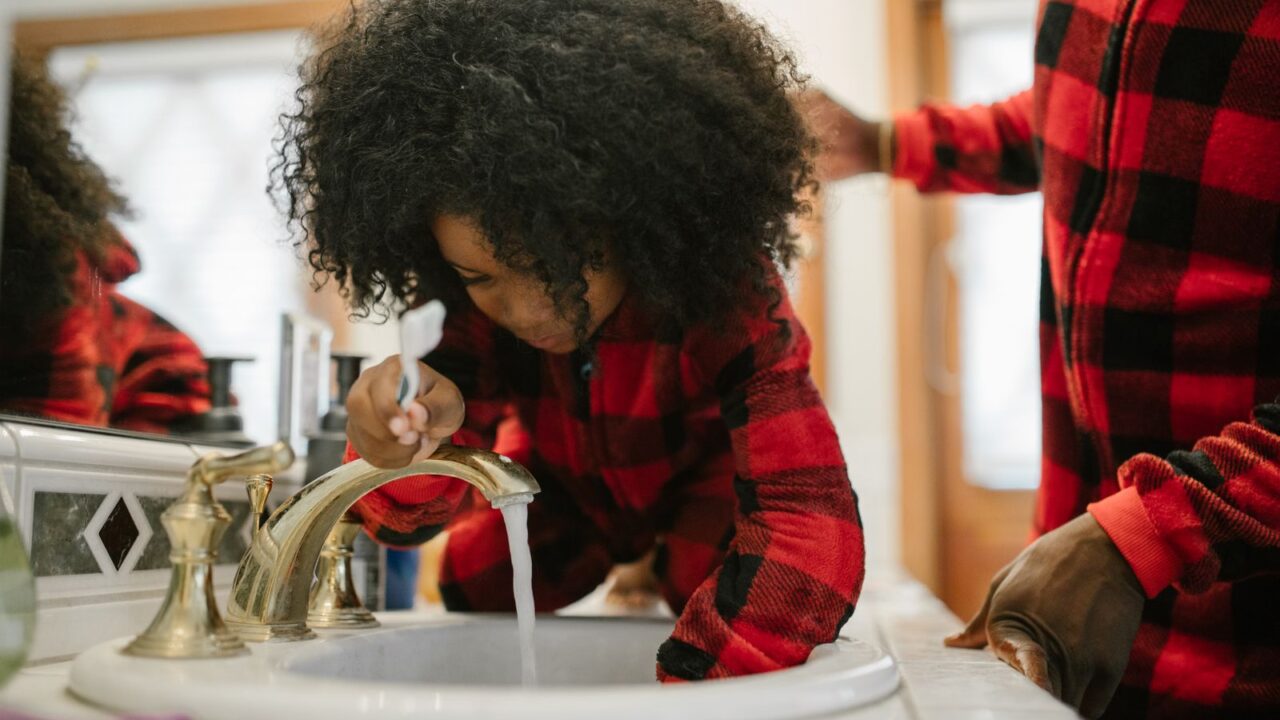
Boil water advisories almost always list the same activities: drinking, cooking, making ice, brushing teeth. Most people follow the first three carefully and then, half asleep at 11 p.m., run the toothbrush under the tap out of pure habit.
That small slip matters more than it seems. Toothbrushing involves putting water in your mouth, swirling it around, and often swallowing a little. The mucous membranes in your mouth are an efficient route into the body, and the volume of water involved — a few teaspoons — is more than enough to carry a dose of E. coli, Giardia or norovirus.
Ice has the same problem from the other direction: it is water, frozen, and it goes into drinks that people sip for an hour.
This guide covers the safe routine for both, plus the small water uses people forget: dentures, retainers, contact lenses and nasal rinses.
The short answer
Brushing teeth: use bottled water, or tap water that has been boiled and cooled. Do not rinse the brush under the tap, do not wet the paste with tap water, and do not rinse your mouth from the faucet.
Ice: throw out any ice made before the advisory. Clean the bin. Make new ice only from bottled or boiled-and-cooled water, or buy bagged ice.
Not safe: ice from a refrigerator dispenser, ice from a restaurant soda fountain, water from a bathroom faucet used for rinsing, and “just a splash” of tap water to soften the brush.
Why toothbrushing is a high-risk habit
Three reasons make it worse than washing your hands.
The water stays in your mouth. Hand washing is external; you rinse and dry. Brushing keeps water in contact with mucous membranes for up to two minutes and often ends with a swallow.
The dose is small but repeated. You brush twice a day, every day. A tiny exposure repeated twenty-eight times over two weeks adds up.
The toothbrush is a reservoir. A wet brush left on the counter holds moisture and picks up whatever is in the air and on the sink. During an advisory, keep it covered or in a cabinet.
Public health agencies do not list toothbrushing as a “caution” item by accident. It is one of the most common routes of accidental exposure during a water emergency.
The safe toothbrushing routine
Set this up once, and it becomes automatic for the rest of the advisory.
- Keep a dedicated bottle of safe water at the sink. A 1-liter bottle is enough for two people for two days of brushing. Label it so nobody drinks from it.
- Wet the brush from the bottle, not the faucet. Pour a little into a cup rather than over the bristles.
- Brush as normal, then spit into the sink. Do not rinse your mouth from the tap.
- Rinse the brush by dipping it in the cup of safe water and shaking it dry.
- Store the brush upright in a clean cup or cabinet, not lying on the counter.
- Wipe the faucet handle with a disinfectant once a day. Hands touch it constantly.
If you have children, pour water for them. A five-year-old will reach for the faucet by reflex.

Kids, dentures and retainers
Children. Use the same routine, with a smaller cup. For toddlers who swallow toothpaste, use a smear of fluoride paste and bottled water only. Do not let them “rinse and spit” at the sink.
Dentures. Remove them over a basin, not over the sink, so they do not break if dropped. Clean them with a brush and safe water, then soak in a denture solution made with bottled water. Do not rinse them under the tap.
Retainers and aligners. Rinse with bottled water and clean with a retainer cleaner tablet dissolved in bottled water. Tap water leaves mineral deposits anyway, so this is better for the appliance regardless.
Mouthguards. Wash with soap and safe water, rinse with bottled water, and air dry.
Ice: the forgotten risk
Ice is water. That is the entire problem, and it is easy to forget because ice does not look like water.
Step 1: empty the ice bin. Any ice made before the advisory started is potentially contaminated. Dump it, even if it looks perfectly clear. Do not use it to chill drinks, and do not put it in the garden.
Step 2: clean the bin. Wash it with hot soapy water made from boiled or bottled water, then wipe with a mild bleach solution (one tablespoon of unscented bleach per gallon) and let it air dry.
Step 3: make new ice safely. Use bottled water, or tap water boiled for one minute and cooled. Ice cube trays are the simplest option. Bagged ice from a store is fine — commercial ice is made under its own water-quality rules.
Step 4: turn off the automatic ice maker. Refrigerator dispensers and freestanding ice machines pull directly from the water line. Switch them off until the advisory is lifted, and discard the first two batches afterwards.
Step 5: check the ice in your drinks when you eat out. Restaurants in an advisory area are supposed to use ice from an approved source or safe water. If you are unsure, ask for no ice. Our guide to restaurants and small businesses explains what they are required to do.
The small water uses people forget
A boil water advisory covers every use where water might be swallowed or enter a mucous membrane. That includes a few habits that do not feel like “using water” at all.
Contact lenses. Never rinse lenses or cases with tap water, even when there is no advisory — the risk of Acanthamoeba keratitis is real. During an advisory, use only multipurpose solution or sterile saline, and wash your hands with safe water before touching the lenses.
Nasal rinses and neti pots. Use distilled, sterile or previously boiled water. Tap water has caused fatal Naegleria fowleri infections through nasal rinsing, which is why the guidance is stricter here than for hand washing. Boil, then cool, and never top up with tap water.
CPAP machines. Use distilled water only, as the manufacturer specifies. That advice does not change during an advisory.
Humidifiers. Use distilled or boiled-and-cooled water, and clean the tank daily. A humidifier aerosolizes whatever is in the water, which is the last thing you want during a contamination event.
Wound care. Clean cuts with boiled-and-cooled water or sterile saline, not tap water.
Pets’ water bowls. Wash with safe water and refill with boiled-and-cooled or bottled water — see can pets drink tap water during a boil water advisory.

What to do when the advisory is lifted
- Run the cold tap at the bathroom sink for two to three minutes.
- Discard the ice in the freezer and clean the bin again.
- Run the ice maker through two full batches and throw them away.
- Replace your toothbrush if it was stored near the sink and got splashed — a cheap precaution.
- Wash the toothbrush cup and the soap dish.
- Flush the water heater and any point-of-use filters. Our post-advisory checklist walks through the whole house.
Frequently asked questions
Can I brush my teeth with bottled water? Yes. That is the simplest solution, and it needs less than a cup per brushing.
Can I use boiled water that is still warm? Let it cool first. Hot water damages bristles and feels unpleasant, and there is no benefit — the water is already safe once it has boiled.
Is it safe to swallow toothpaste? No, and it is not safe during an advisory either. Spit it out; do not rinse with tap water.
Can I use ice from a bag I bought before the advisory? Yes, if the bag was sealed and made commercially. Ice made at home from tap water before the advisory should be discarded.
What about ice in a cooler for food? Use bagged ice or ice made from safe water. Do not use ice from the freezer dispenser to keep food cold.

Bottom line
Brushing your teeth and making ice are two of the easiest ways to accidentally drink tap water during an advisory. Keep a labeled bottle of safe water at the bathroom sink, retire the ice maker until the notice is lifted, and remember the small uses: lenses, nasal rinses, humidifiers, wound care. It is a five-minute setup that removes most of the risk.
For the full household routine, read what to do during a boil water advisory and how long to boil water. To check whether your address is affected, see the live notices page.
Sources
- CDC, *Boil Water Advisory* — personal hygiene and household guidance: https://www.cdc.gov/water-emergency/about/index.html
- CDC, *Naegleria fowleri* and nasal rinsing with tap water: https://www.cdc.gov/naegleria/about/index.html
- FDA, *Contact Lens Safety*: https://www.fda.gov/medical-devices/contact-lenses
- EPA, *Emergency Disinfection of Drinking Water*: https://www.epa.gov/ground-water-and-drinking-water/emergency-disinfection-drinking-water
 Disinfecting Without Bleach: What Actually Works During a Boil Water Advisory
 Takeout and Delivery During a Boil Water Advisory: What to Order, What to Skip
 Cooking Pasta, Rice and Soup During a Boil Water Advisory