Cleaning and Sanitizing Your Kitchen and Bathroom After a Boil Water Advisory
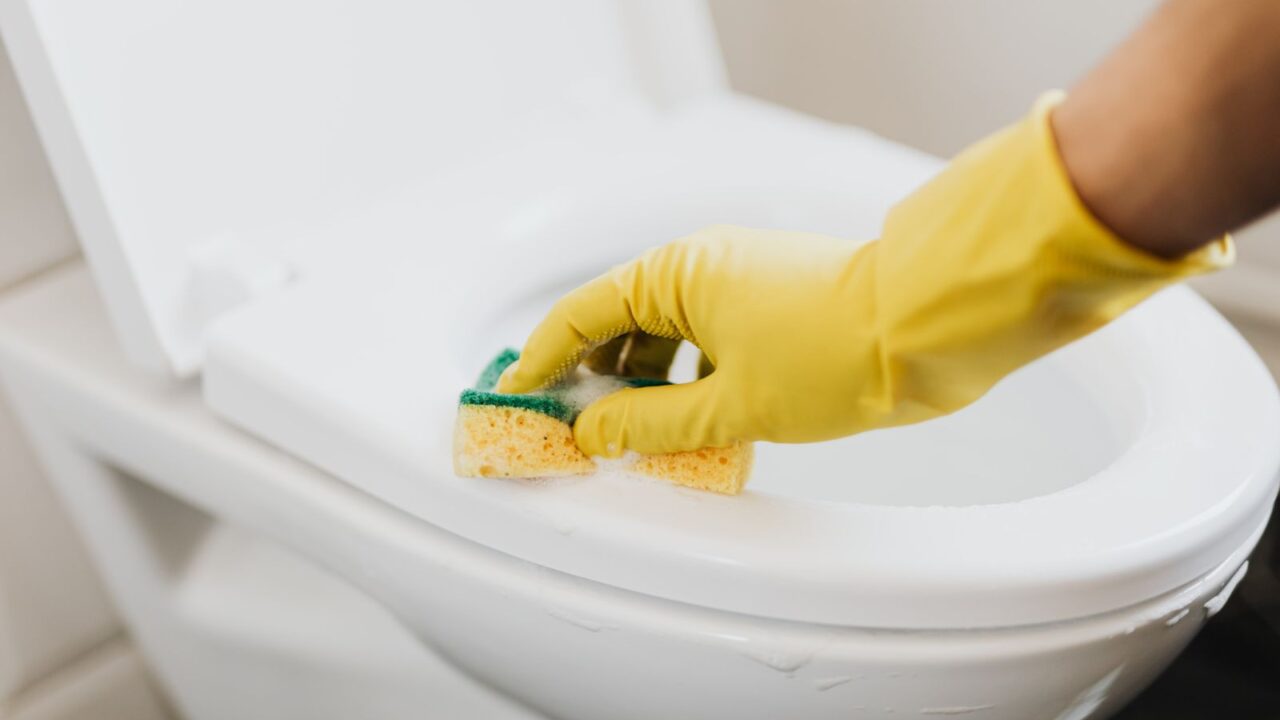
When the utility lifts the advisory, the relief is immediate and the cleanup is not. Everything that touched tap water during those two or three days is still sitting where it was: the sponge in the sink, the ice bin in the freezer, the toothbrush cup, the dish towel, the baby’s bottle brush.
Most of it does not need to be thrown away. But some of it does, and cleaning in the right order saves an afternoon of redoing work.
This guide covers the kitchen first, then the bathroom, then the items people forget — and it explains which few things are not worth saving.
The principle: clean, then sanitize
Cleaning removes soil. Sanitizing reduces microorganisms. You need both, in that order, because a sanitizer applied to a dirty surface is wasted.
For hard surfaces, the standard household sanitizing solution is one tablespoon of unscented liquid chlorine bleach per gallon of water (about 15 ml per 3.8 liters), left on the surface for at least one minute, then air dried or wiped with a clean cloth. For food-contact items, some health departments prefer a weaker solution — one teaspoon per gallon — so check the label of your bleach and any local guidance.
Never mix bleach with ammonia, vinegar or other cleaners.
The kitchen
Work from the cleanest area to the dirtiest, so you do not move contamination back onto clean surfaces.
- Throw out the sponge. This is the one item not worth saving. A sponge is warm, wet and full of food particles; it is the single most contaminated object in most kitchens.
- Replace the dish towel and the dishcloth. Wash them on a hot cycle with detergent, or use fresh ones.
- Clean the sink and drain. Scrub with hot soapy water, then apply the bleach solution to the basin, the faucet handle, the drain collar and the surrounding counter.
- Clean the dish rack. It has been holding wet dishes for days.
- Empty and clean the ice bin. Discard all ice, wash the bin with hot soapy water, sanitize, and let it dry completely before the ice maker runs again.
- Run the dishwasher empty on the hottest cycle with a cup of white vinegar in the bottom rack.
- Wipe cupboard handles, the fridge handle and the kettle switch — high-touch points that never get cleaned during a normal week.
- Check the fridge water dispenser and clean the drip tray.

The bathroom
- Replace toothbrushes if they were stored uncovered near the sink, or at minimum rinse them in boiled-and-cooled water and let them dry. A toothbrush costs two dollars; replacing it removes the doubt.
- Wash the toothbrush cup and soap dish with hot soapy water and sanitize.
- Clean the sink, faucet and counter with the bleach solution.
- Clean the shower head. Unscrew it if you can and soak it in a vinegar solution; biofilm builds up inside the head and is released as an aerosol.
- Wash the bath mat and towels on a hot cycle.
- Wipe the toilet handle and light switches. Again, high-touch points.
- Discard any open cup or glass that sat by the sink for days.
Items that are not worth saving
- Kitchen sponges
- Water filter cartridges that were in service
- Open ice in the freezer
- Leftover water in kettles, pitchers and bottles
- Toothbrushes used during the advisory by someone who was ill
- Baby bottle brushes (cheap, hard to sanitize)
- Anything porous that sat in a wet sink: wooden spoons with cracks, worn cutting boards, silicone spatulas with gaps

Toys, pet items and everything else
- Children’s bath toys: squeeze out the water, wash with hot soapy water, and discard any that squirt water and cannot be opened.
- Pet bowls and fountains: wash with hot soapy water, sanitize, replace fountain filters.
- Reusable water bottles: wash with a bottle brush, sanitize, and dry upside down.
- Coffee and tea equipment: run a cleaning cycle per the manufacturer, or descale with a citric acid solution.
- Humidifier tanks: clean with vinegar, rinse, and refill with distilled water.
The order of operations
Do the whole reset in this sequence so you only handle each item once:
- Discard (ice, sponges, filters, leftovers)
- Laundry (towels, cloths, bath mats, bedding)
- Kitchen surfaces and appliances
- Bathroom surfaces and fixtures
- High-touch points throughout the house
- Restock: new sponges, filters, toothbrushes
Finally, flush the plumbing before you start using tap water normally — five minutes per cold tap is the common recommendation, and some utilities ask for more. Our post-advisory flush guide covers the water heater, softener and ice maker in detail.
What about the smell of bleach?
Rinse food-contact surfaces with clean water after the one-minute contact time, and let them air dry. A faint chlorine smell is normal and fades. Do not use bleach on porous stone counters; use an alcohol-based sanitizer instead and follow the stone manufacturer’s advice.

Frequently asked questions
Do I need to clean everything, or only what touched tap water? Focus on anything that touched tap water or was stored wet near a sink. High-touch points and the sponge are always worth doing.
Can I use vinegar instead of bleach? Vinegar is a decent cleaner but a weak sanitizer. For food-contact surfaces after an advisory, bleach or a commercial sanitizer is more reliable.
How long does the bleach solution stay effective? Mix it fresh. Chlorine solutions lose strength within 24 hours, especially in sunlight.
Should I run the washing machine empty? Yes — a hot cycle with a machine cleaner or vinegar clears the drum and dispenser.
What if someone in the house was sick during the advisory? Treat their bathroom, bedding and towels separately, wash on the hottest setting, and consider replacing their toothbrush.
Cleaning on a tight budget or a tight schedule
A full reset takes about an hour. If you have fifteen minutes, do these five things in this order:
- Throw out the kitchen sponge and the dishcloth.
- Dump the ice and wipe the bin.
- Replace the toothbrush, or rinse it in boiled-and-cooled water.
- Wipe the kitchen sink and the faucet handle with a bleach solution.
- Run the dishwasher empty on the hottest cycle.
Those five steps cover the surfaces and items most likely to hold contamination. The rest — shower head, high-touch points, toy washing — can wait a day.
If you are short on supplies, plain dish soap and hot water do most of the cleaning work. Bleach is for the sanitizing step, and a small bottle goes a long way: one tablespoon treats a gallon. Do not substitute a scented or splashless bleach, and never mix your own solution with vinegar or ammonia.

Bottom line
The cleanup after an advisory is mostly about the things you never think about: sponges, ice, toothbrush cups, shower heads and handles. Clean first, sanitize with a fresh bleach solution, throw out the porous items that cannot be cleaned, and flush the pipes before normal use. An hour of work removes the last trace of the notice from your home.
For the water-line side of the reset, see what to do after a boil water advisory is lifted and cleaning your appliances.
Sources
- CDC, *Cleaning and Disinfecting Your Home*: https://www.cdc.gov/hygiene/about/cleaning-and-disinfecting-your-home.html
- CDC, *Drinking Water Advisories: An Overview*: https://www.cdc.gov/water-emergency/about/drinking-water-advisories-an-overview.html
- NYS Department of Health, *Boil Water Notices: Information for Residents and Homeowners*: https://www.health.ny.gov/environmental/water/drinking/boilwater/docs/faq_residents_and_homeowners_short.pdf
- EPA, *Emergency Disinfection of Drinking Water* (bleach concentrations): https://www.epa.gov/ground-water-and-drinking-water/emergency-disinfection-drinking-water
 Disinfecting Without Bleach: What Actually Works During a Boil Water Advisory
 Takeout and Delivery During a Boil Water Advisory: What to Order, What to Skip
 Cooking Pasta, Rice and Soup During a Boil Water Advisory