Boil Water Advisory for Renters and Landlords: Who Is Responsible for What
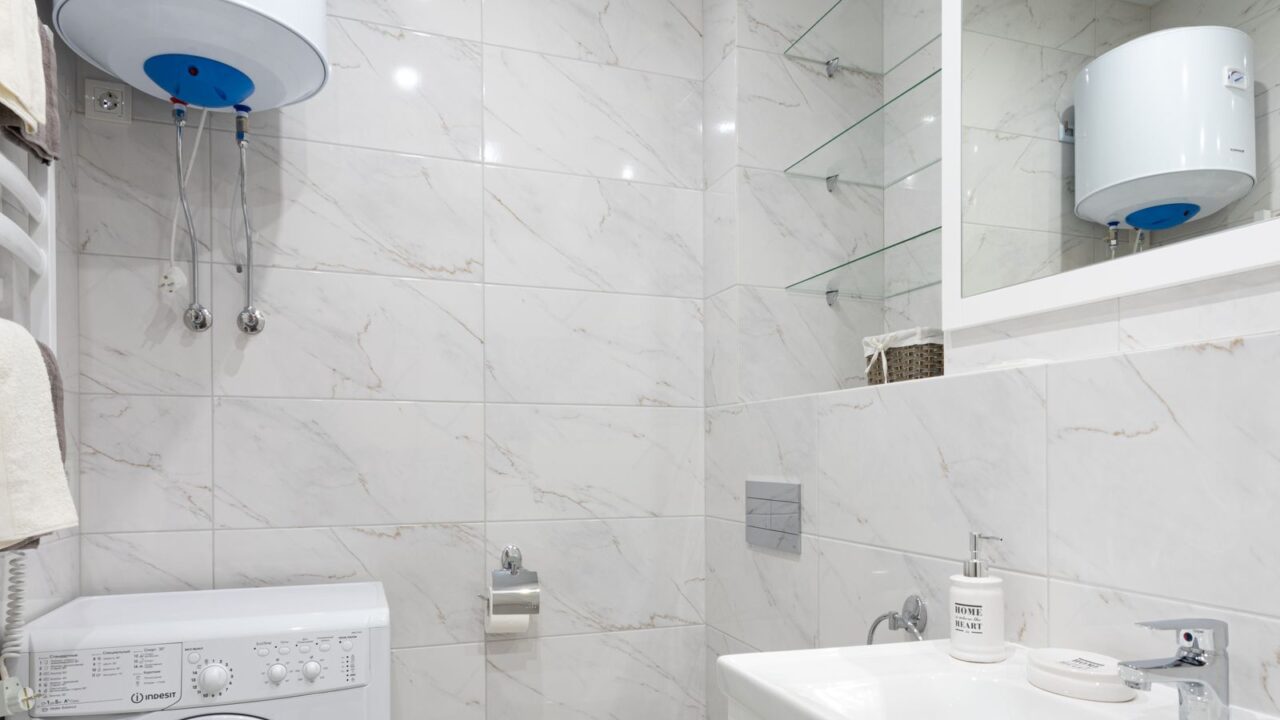
A boil water advisory splits a household into two roles: the person who owns the pipes and the person who drinks from them. When the two are not the same person, the practical questions get complicated fast. Who buys the water? Who flushes the lines? Who pays if the water heater needs replacing?
The legal answers vary by state and by lease. The practical answers are more consistent, and they are what this guide covers: what to ask for, what to document, and when to escalate.
None of this is legal advice. For a dispute that matters, contact a tenant rights organization or a lawyer in your state.
The general division
The landlord is responsible for maintaining the property in a habitable condition. In every state, that includes a functioning water supply and plumbing. If the water is not safe to drink because of a building-specific problem — a failed backflow preventer, a contaminated storage tank, a broken service line — that is generally the landlord’s responsibility.
The tenant is responsible for reasonable use, for reporting problems promptly, and for following the utility’s advisory in their own household.
The utility is responsible for the water in the main. If the advisory covers the whole system, the landlord is not at fault and cannot fix it; the landlord’s obligation is to respond reasonably.
What to ask your landlord
Put it in writing — email or text is fine, and it creates a record. Ask:
- Is the building affected by the advisory? Some buildings have separate service lines or private wells.
- Will you provide bottled water? Many leases and state laws do not require it for a system-wide advisory, but many landlords do. Ask before assuming.
- What is the plan for flushing the building’s lines when the advisory is lifted? In multi-unit buildings, flushing is more complex and is the owner’s job.
- Who is handling the shared ice machine, laundry room and common kitchen?
- If the water heater or a filter was affected, who replaces it?
A short, polite email with those five questions is usually enough to get a clear answer.
What you can do yourself
Do not wait for a reply before protecting your household.
- Buy bottled water: one gallon per person per day for three days.
- Boil tap water for one minute, or use bottled water, for drinking, cooking, ice and toothbrushing.
- Turn off the fridge ice maker and the building’s shared ice machine if you can.
- Keep a bottle of safe water at each sink.
- Document what you spend on water and ice, with receipts.
Our household checklist covers the day-to-day routine.
Documentation that helps later
- Photos with dates: the notice, the building’s posted signage, the water.
- Receipts: bottled water, ice, laundry, any hotel stay if the unit became uninhabitable.
- A log of contacts: who you called, when, and what they said.
- Copies of your lease and any building rules about water.
If the problem is building-specific — a broken pipe in the basement, a pump failure — the log becomes evidence that you reported it and that the landlord had notice.
When the landlord does not respond
Escalate in this order:
- A written reminder with a deadline, sent by email and, if possible, a second channel.
- Your city or county code enforcement office, which handles habitability complaints.
- Your local health department, especially if the water problem is building-specific.
- A tenant rights organization or legal aid office. Many offer free advice by phone.
- Your state’s attorney general consumer protection division, for patterns of neglect.
Rent withholding and “repair and deduct” are state-specific remedies with strict procedural rules. Do not use them without advice; done incorrectly, they can lead to eviction.
Multi-unit buildings
Buildings with shared plumbing have three extra issues.
Flushing. After the advisory, each unit should run its taps, but the building’s risers and storage tanks also need flushing. That is the owner’s job, and it is worth asking about explicitly.
Shared appliances. Ice machines, laundry rooms and common kitchens are high-traffic and often overlooked. Ask who is responsible and when it will be done.
Communication. The utility notifies the account holder — usually the landlord or the building manager. Tenants sometimes hear nothing. If your building has a manager, ask them to post the notice at every entrance.
Renters insurance and expenses
Renters insurance typically covers damage to your personal property from a sudden event, and may cover additional living expenses if the unit becomes uninhabitable. A boil water advisory alone rarely triggers a claim, but a related event — a burst pipe that floods your unit — often does.
- Photograph your belongings before an incident, not after.
- Keep receipts for water you had to buy.
- Check whether your policy covers “loss of use.”

If you are moving in or out
- Moving in: ask the landlord for the latest water quality report and whether the unit has a filter. Test the water if the building has a private well.
- Moving out: if an advisory is active, note it in the move-out inspection so that later damage is not attributed to you.
Roommates, sublets and shared houses
Shared housing adds coordination to an already busy week. A few habits prevent most friction:
- Agree who buys water and how the cost is split, in the group chat, on day one.
- Label your bottles. Shared fridges develop a mysterious ability to absorb other people’s water.
- Turn off the shared ice maker and nominate one person to clean the bin when the advisory lifts.
- Keep one bottle at each bathroom sink, so nobody has to walk to the kitchen at midnight.
- Tell the landlord once, in writing, from one person — five separate emails slow the response.
- If a roommate is immunocompromised or pregnant, default to the stricter routine for the whole house.
If you sublet, the person on the lease is the one the utility notifies. Make sure the subtenant actually receives the notice, or the arrangement fails exactly when it matters.
Frequently asked questions
Can I withhold rent during a boil water advisory? Only with legal advice. In a system-wide advisory the landlord usually is not at fault, and withholding rent without a legal basis can lead to eviction.
Must the landlord provide bottled water? It depends on your state and lease. Ask in writing; many landlords provide it voluntarily during a multi-day event.
Who flushes the building’s pipes? The owner or building manager, for shared risers and tanks. Tenants flush their own fixtures.
The notice is only for my street. Is my building affected? Check the utility’s map or call them with the service address. Do not assume either way.
What if my landlord says the water is fine? The utility’s notice is authoritative, not the landlord’s opinion. Follow the notice and document the conversation.

Bottom line
The landlord owns the plumbing; you own the risk to your household. Ask five questions in writing, buy water immediately, document everything, and escalate through code enforcement, the health department or legal aid if the response is silence. In a system-wide advisory the landlord usually cannot fix the cause — but they can still communicate, provide water and handle the building’s shared systems.
For the household routine, see what to do during a boil water advisory, and for the cleanup afterwards, cleaning and sanitizing.
Sources
- EPA, *Public Notification Rule*: https://www.epa.gov/dwreginfo/public-notification-rule
- HUD, *Tenant Rights and Responsibilities*: https://www.hud.gov/topics/rental_assistance/tenantrights
- CDC, *Drinking Water Advisories: An Overview*: https://www.cdc.gov/water-emergency/about/drinking-water-advisories-an-overview.html
- Your state or local tenant rights organization for lease-specific advice.
 No Bottled Water and No Way to Boil: A Plan for the Worst Case
 Returning Home After a Flood: Water, Wells, Basements and Mold
 Boil Water Advisories for Campers, RVers and Boaters