Can You Water Plants or Fill a Pool During a Boil Water Advisory?
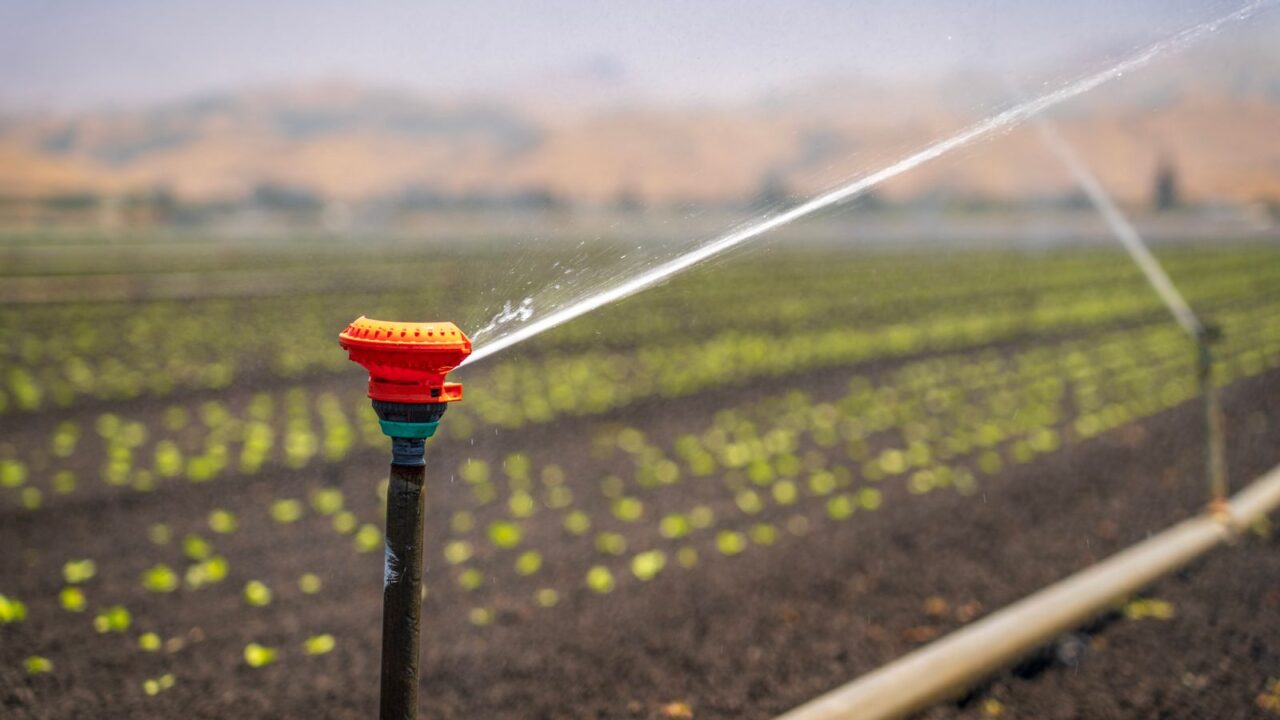
The kitchen rules during a boil water advisory are clear. The garden rules are not, and they produce some of the strangest questions: can I water my tomatoes? Can I top up the pool? Is the sprinkler safe for the kids to run through?
The answers depend on one principle. A boil water advisory protects people from pathogens that enter through the mouth. Plants do not have that problem; people who handle, pick and eat plants do.
Watering plants: usually fine
Ornamental plants, lawns, trees and shrubs: tap water during an advisory is generally fine. The pathogens in question infect humans and animals, not plants, and they do not accumulate in soil in a way that threatens you unless you are eating the soil.
Vegetables and herbs: more nuanced.
- Watering the soil around a tomato plant with tap water is low risk; the fruit is above ground and is not usually eaten raw with soil on it.
- Watering leafy greens that will be eaten raw is riskier, because water splashes onto the leaves that go straight into a salad.
- Root vegetables that are peeled and cooked are low risk.
The practical approach: during the advisory, water edibles with tap water only if you will cook them or peel them, and wash all harvested produce with safe water before eating. For salad crops, wait a day or use stored rainwater.
Indoor plants: no issue. Water them normally.
Seedlings and houseplants in self-watering pots: the reservoir can grow algae and bacteria; empty and refill it with tap water as usual, and wash your hands afterwards.
Lawns and sprinklers
Sprinklers are a special case because they aerosolize water. Inhaling droplets is a minor route of exposure for most of these pathogens, but it is not zero, and the bigger issue is children.
- Running through a sprinkler: avoid during an advisory. Children swallow water and get it in their mouths constantly.
- Watering the lawn: fine, but do it when nobody is outside and let the surface dry before children or pets use it.
- Drip irrigation: the lowest-risk method, because it does not aerosolize.
If the notice is a chemical one — a “do not use” order — do not run sprinklers at all. Aerosolized chemicals are a respiratory hazard.

Swimming pools
A properly maintained pool with free chlorine at 1 to 3 ppm inactivates most bacteria and many viruses within minutes. That does not make it a safe source of drinking water, and it does not automatically make it safe during an advisory.
Filling or topping up the pool: the water coming out of the hose is untreated tap water. Once it is in the pool and the chlorine level is restored, the risk drops sharply. The main caution is timing: do not swim while the pool is still mixing and the chlorine is recovering.
Swallowing pool water: always a bad idea, and more so during an advisory. Teach children to keep their mouths closed.
Wading pools and splash pads: a small volume of warm water with no filtration is a bacterial bath even in normal times. Empty them during an advisory, or fill them with water from a safe source and empty them the same day.
Hot tubs: the highest-risk water recreation. Hot water, aeration and many bathers create aerosols that are inhaled deep into the lungs. Skip the hot tub until the advisory is lifted.
Water features and ponds
- Decorative fountains: they aerosolize water continuously. Turn them off during an advisory.
- Garden ponds: do not add tap water if you are worried about chlorine harming fish; use a dechlorinator as usual. Do not use pond water for anything else.
- Bird baths: empty and refill after the advisory; birds do not need your help for two days.
Car washing, pressure washing and outdoor cleaning
These are low-risk uses because the water does not enter your mouth — but two cautions apply.
- Pressure washers create aerosols. Wear a mask if you must use one, or wait.
- Do not wash pet bowls, children’s toys or outdoor eating surfaces with a hose during an advisory. Use a bucket of safe water and a cloth.
If the notice is about chemicals
Everything above assumes a microbial advisory. If the notice says “do not drink” or “do not use” because of a chemical, fuel or PFAS:
- Do not water edibles with tap water.
- Do not fill or top up a pool.
- Do not run sprinklers or fountains.
- Do not let children or pets play on treated lawns until the health department clears it.
Chemicals do not break down the way bacteria do, and they can persist in soil and on surfaces.
Practical rules of thumb
- Ornamentals and lawns: water normally.
- Edibles: water the soil, wash the harvest with safe water, cook or peel what you can.
- Sprinklers with kids: no.
- Pools: top up if needed, restore chlorine, swim after the water has circulated; do not drink.
- Hot tubs and fountains: off.
- Chemical notices: no outdoor water use at all.

Frequently asked questions
Will contaminated water kill my plants? No. The pathogens in a boil water advisory target people and animals, not plants.
Can I eat tomatoes watered with tap water during an advisory? Wash them with safe water first. The risk is from contamination on the surface, not inside the fruit.
Is it safe to swim in my pool during an advisory? A well-chlorinated pool is low risk for adults who do not swallow water, but it is not a guarantee. For children, wait.
Can I use pool water to flush a toilet or water plants? Yes, for flushing and for ornamentals. Do not drink it and do not use it on edibles without rinsing.
What about my dog playing in the sprinkler? Dogs swallow a lot of water when they play. Skip it until the advisory lifts.
Rainwater, greywater and the garden
A boil water advisory is a good moment to use water you already have.
- Rain barrels are fine for ornamentals, lawns and non-edible plants. Do not use them on salad crops without treating the water, and never for drinking.
- Greywater from the washing machine or the shower can go on ornamental beds and fruit trees, not on leafy greens or root vegetables that will be eaten raw.
- Water from boiling pasta or vegetables, once cooled, is excellent for plants — it carries a little nutrition.
- Do not use pool water on edibles. The chlorine and algaecides are not intended for food crops.
- Condensate from a dehumidifier or air conditioner is not drinking water and should not go on edibles.
If your area is under a chemical notice rather than a microbial one, do not use any of these on food crops until the health department clears the area.
Bottom line
Plants are not at risk from the bacteria in a boil water advisory; people handling and eating them are. Water ornamentals and lawns normally, be more careful with salad crops, wash all produce with safe water, keep kids out of sprinklers, and treat pools and hot tubs as recreation that can wait two days. If the notice is chemical rather than microbial, stop all outdoor water use until you are told otherwise.
For the indoor routine, see what to do during a boil water advisory and emergency water storage.
Sources
- CDC, *Drinking Water Advisories: An Overview*: https://www.cdc.gov/water-emergency/about/drinking-water-advisories-an-overview.html
- CDC, *Healthy Swimming* — pool water treatment and chlorine: https://www.cdc.gov/healthy-swimming/
- FDA, *Food Safety During Power Outages and Floods*: https://www.foodsafety.gov/food-safety-charts/food-safety-during-power-outage
- EPA, *Emergency Disinfection of Drinking Water*: https://www.epa.gov/ground-water-and-drinking-water/emergency-disinfection-drinking-water
 No Bottled Water and No Way to Boil: A Plan for the Worst Case
 Returning Home After a Flood: Water, Wells, Basements and Mold
 Boil Water Advisories for Campers, RVers and Boaters