What Happens If You Drink Water During a Boil Water Advisory?
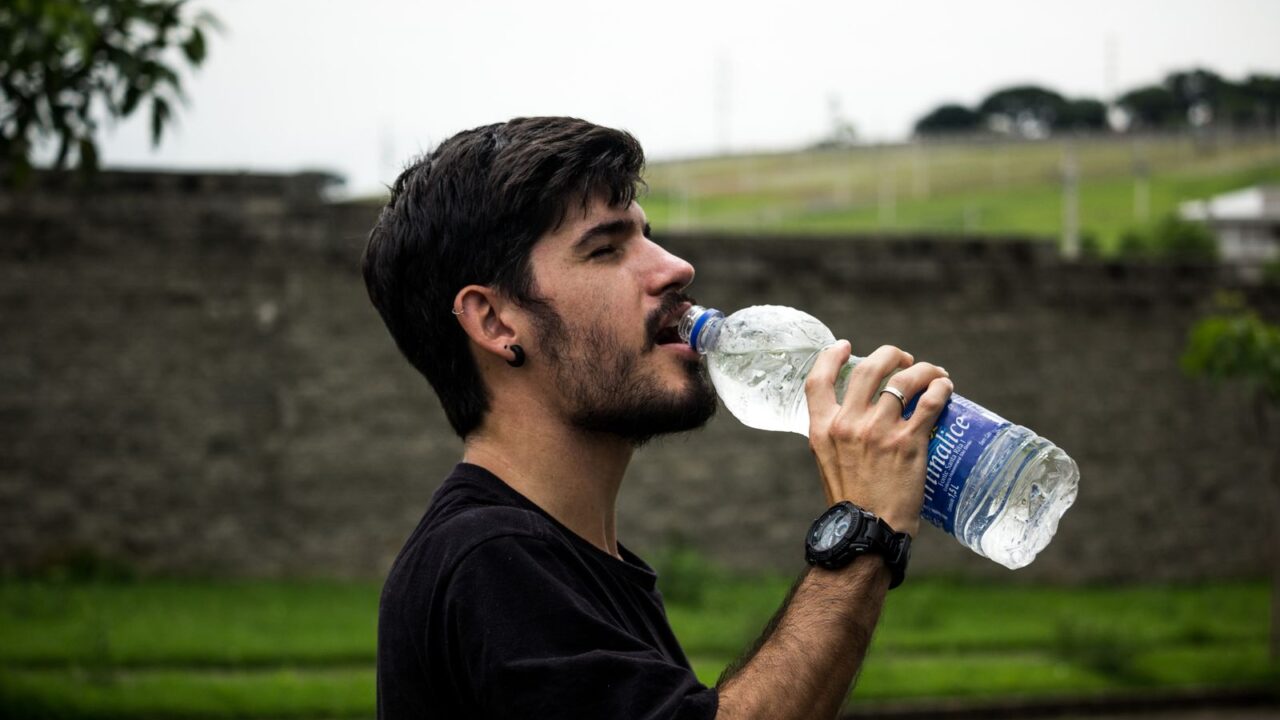
It happens in almost every advisory: someone fills a glass from the tap out of habit, takes a swallow, and then remembers the notice taped to the fridge. The next two days are spent waiting to feel sick.
Here is the honest answer. Drinking contaminated water can make you ill, and it often does not. The outcome depends on the germ, the dose, your age and your immune system, and how much water you swallowed. Most people who take a single sip during an advisory are fine. But “most” is not “all,” and knowing what to watch for turns a vague worry into a plan.
This guide covers what is in the water, what symptoms appear and when, who is at higher risk, and the specific signs that mean you should stop waiting and call a doctor.
The short answer
A single accidental sip: low risk for a healthy adult, but not zero. Watch for stomach symptoms over the next few days.
Repeated use of tap water — brushing teeth, making coffee, mixing formula — is a much higher dose and justifies a call to a doctor if symptoms appear.
Symptoms to expect: diarrhea, abdominal cramps, nausea, vomiting, sometimes fever.
Timeline: from 12 hours (norovirus) to a week or more (Giardia and Cryptosporidium). Most illness shows up within one to three days.
Call a doctor if diarrhea lasts more than two days, if there is blood, if fever goes above 102 °F, or if you see signs of dehydration or hemolytic uremic syndrome.
What is actually in the water
A boil water advisory is issued because the water may contain microorganisms that cause gastrointestinal illness. The usual suspects:
- E. coli and other fecal bacteria. Their presence indicates that sewage or animal waste may have entered the system. Some strains (STEC) can cause severe bloody diarrhea and a kidney complication called HUS.
- Norovirus. Extremely contagious, with a very low infectious dose. Onset is fast: 12 to 48 hours.
- Giardia. A parasite that survives in cool water. Symptoms typically appear 1 to 2 weeks after exposure and can last for weeks.
- Cryptosporidium. A parasite with a hard outer shell that resists chlorine. Onset is 2 to 10 days, with an average of about a week, and illness often lasts one to two weeks.
- Shigella, Campylobacter, Salmonella. Less common but regularly implicated in waterborne outbreaks.
A boil water advisory does not tell you which of these is present. That is why the advice is uniform: boil everything until the utility says otherwise.
The symptoms, in order of how often they appear
Diarrhea. The most common symptom by far. It may be watery, and in severe bacterial cases bloody.
Abdominal cramps. Often the first sign, sometimes before diarrhea starts.
Nausea and vomiting. More typical of norovirus and of illness in children.
Fever. Low-grade in most cases; above 102 °F is a warning sign.
Headache and muscle aches. Common with norovirus and with dehydration.
Dehydration. Dry mouth, dark urine, dizziness on standing, and in children, fewer wet diapers and no tears when crying.
Skin contact can also cause infection if there are open cuts, which is why the advisory applies to washing wounds as well. Our guide to showering during an advisory covers the skin side.

When each germ makes you sick
This table matters because it tells you how long to stay alert.
- Norovirus: 12 to 48 hours. Fast, violent, and usually over in one to three days.
- E. coli (STEC): typically 3 to 4 days, with cramps that worsen and diarrhea that may become bloody.
- Cryptosporidium: 2 to 10 days, average about 7. Illness can last one to two weeks.
- Giardia: 1 to 2 weeks after exposure, with illness lasting two to six weeks if untreated.
- Shigella: 1 to 3 days.
If you drank suspect water on Monday and feel fine on Wednesday, you are not necessarily out of the woods — but you are past the fastest-acting organisms.
Who gets hit harder
Most healthy adults recover without treatment. The groups at higher risk of severe illness are:
- Children under 5
- Adults 65 and older
- Pregnant people
- People with weakened immune systems, including those on chemotherapy, transplant patients and people with HIV
- People with chronic conditions affecting the kidneys, liver or heart
For these groups, even a mild infection can lead to dehydration or complications. If you fall into one of them and you have used tap water during an advisory, do not wait for symptoms to become severe before calling a doctor.
The red flags that mean “call now”
The CDC’s guidance on E. coli is a good general rule for any waterborne illness. Contact a doctor if you have:
- Diarrhea or vomiting lasting more than 2 days
- Bloody stool or urine
- A fever higher than 102 °F
- Signs of dehydration: very dry mouth, no urine for 8 hours, dizziness, confusion
- Severe abdominal pain that is getting worse
Call 911 or go to an emergency department if you see signs of hemolytic uremic syndrome, which the CDC calls a medical emergency:
- Little or no urinating
- Loss of pink color in the cheeks and inside the lower eyelids
- Unexplained bruising or a rash of tiny red spots
- Blood in the urine
- Extreme tiredness, irritability or confusion
HUS can follow an E. coli infection, especially in children under 5, and it develops in the week after diarrhea starts.

What to do if you already drank it
- Do not panic and do not try to induce vomiting. It does not help and can cause harm.
- Switch to safe water immediately. Bottled or boiled-and-cooled. Keep drinking — dehydration is the main danger in diarrheal illness.
- Use an oral rehydration solution if you have diarrhea. A mix of water, salt and sugar replaces what you lose; sports drinks are a reasonable substitute for adults, diluted juice for children.
- Write down the time of the exposure and any symptoms. A doctor will ask.
- Watch for 72 hours for the fast-acting organisms, and up to two weeks for parasites.
- Wash your hands with safe water and soap after using the bathroom; you can pass the infection to others in the household.
Do not take anti-diarrheal medication without medical advice if you have bloody diarrhea or a high fever — slowing the gut can make a bacterial infection worse.
Chemical contamination is a different situation
Everything above concerns germs. If the notice says “do not drink” or “do not use” because of a chemical, fuel spill, lead or nitrate, boiling does not help — and can make the concentration worse.
Signs that you are dealing with a chemical incident rather than a microbial one:
- The notice says “do not drink” or “do not use,” not “boil water”
- There is a smell of fuel, chlorine or solvent in the water
- The utility mentions a spill, a train derailment, a fire or agricultural runoff
In that case, use bottled water for everything, including washing hands and bathing, and call your health department for advice. Our explainer on boil water advisory vs. order covers the difference in detail.
Preventing the next exposure
- Keep a case of bottled water in the house during storm season.
- Write the advisory start time on a sticky note on the fridge; it helps you track exposure.
- Put a bottle of safe water next to the bathroom sink for toothbrushing. It is the habit most likely to trip you up.
- Know your utility’s alert signup so you hear about notices before you drink.
Our guide to emergency water storage explains how much to keep and how to rotate it.
Frequently asked questions
I drank a glass of tap water before I knew about the advisory. Will I get sick? Probably not. Most exposures at that dose do not cause illness in healthy adults. Watch for symptoms for 72 hours and see a doctor if they appear.
How soon would symptoms start? Between 12 hours and a few days for most organisms; up to two weeks for Giardia.
Can I get sick from showering? Only if you swallow water. Showering is considered safe for healthy people as long as you avoid swallowing. People with open wounds or weakened immunity should use boiled-and-cooled water.
Can I pass it to my family? Yes. Norovirus and Shigella spread easily person to person. Wash hands with safe water and keep the bathroom clean.
Should I get tested? If you have bloody diarrhea, a high fever, or symptoms lasting more than a few days, a stool test can identify the organism and guide treatment.
Bottom line
Drinking water during a boil water advisory is a real but usually small risk — and it depends on the germ, the dose and your health. Watch for diarrhea, cramps, nausea and fever over the next three days (and up to two weeks for parasites), drink safe fluids, and know the red flags: blood, fever above 102 °F, dehydration, or signs of HUS. When in doubt, call a doctor and mention the advisory.
For the household checklist, see what to do during a boil water advisory. If your water is under a notice right now, check the live notices page.
Sources
- CDC, *Drinking Water Advisories: An Overview*: https://www.cdc.gov/water-emergency/about/drinking-water-advisories-an-overview.html
- CDC, *E. coli — Signs and Symptoms*: https://www.cdc.gov/ecoli/signs-symptoms/index.html
- CDC, *About Norovirus*: https://www.cdc.gov/norovirus/about/index.html
- CDC, *About Cryptosporidium*: https://www.cdc.gov/cryptosporidium/about/index.html
- CDC, *About Giardia*: https://www.cdc.gov/giardia/about/index.html
- NYS Department of Health, *Boil Water Notices: Information for Residents and Homeowners*: https://www.health.ny.gov/environmental/water/drinking/boilwater/docs/faq_residents_and_homeowners_short.pdf
 Gyms and Fitness Studios During a Boil Water Advisory
 Talking to Kids About a Boil Water Advisory
 Braces, Retainers and Implants During a Boil Water Advisory