Gyms and Fitness Studios During a Boil Water Advisory
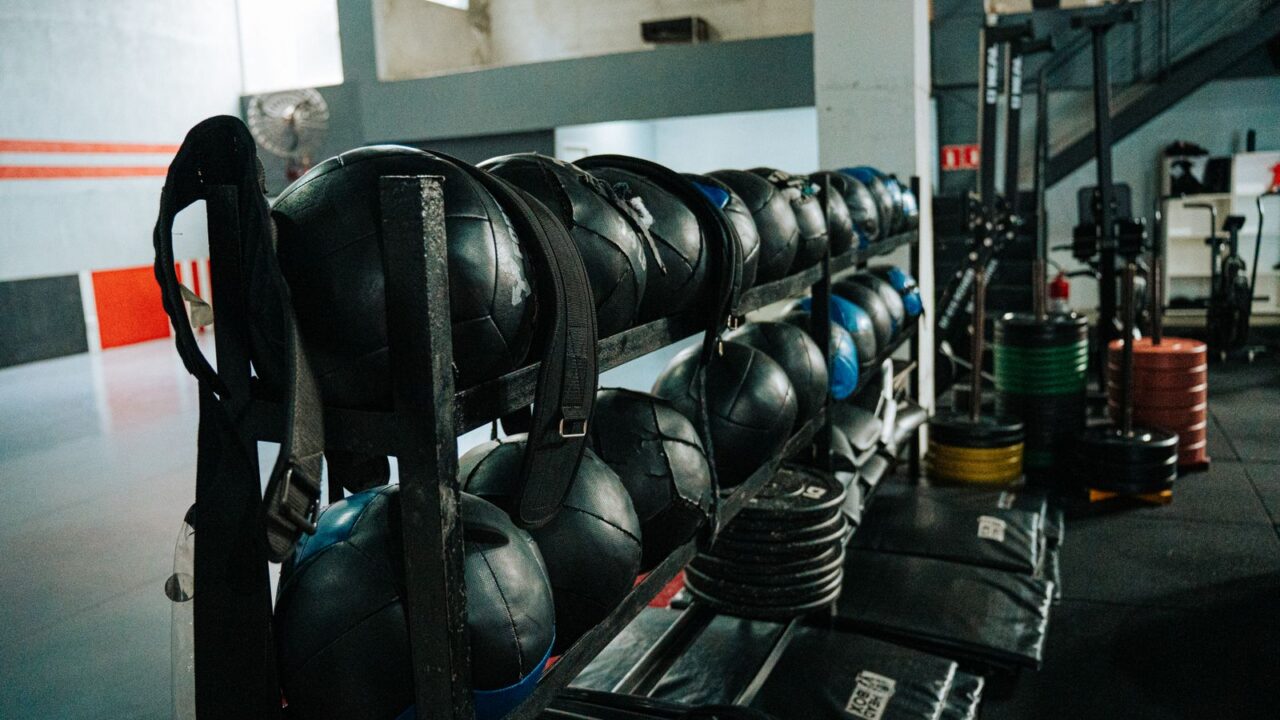
A gym is a water business that happens to sell memberships. Members drink from the fountains, fill bottles at the station, shower in the locker room, sit in the steam room, and buy a smoothie on the way out. Every one of those is a point where tap water meets a person, which means a boil water advisory is an operational problem before it is a public relations one.
The advisory usually lands by text or a utility alert between five and seven in the morning, which is exactly when the first staff arrive and the first members are already on the floor. What follows is the order that keeps the doors open legally and closes the things that cannot be made safe.
What comes off the floor the same morning
- Drinking fountains and bottle fillers. Shut the valve or bag the unit, and put a sign on it. A filter does not change this — see below.
- Ice machines. Dump the ice, clean the bin, and leave the machine off. The ice was made with water that is now under notice.
- Fridge and cooler dispensers. Water and ice from any appliance connected to the building’s water line is off-limits during any advisory.
- The cafe and smoothie bar. No ice, no fountain drinks, no tap water in anything. Bottled or treated water only.
- Steam room and sauna. Steam is tap water turned into something you breathe.
- Showers. Case by case — the next section explains why.
Members notice the fountains first, because that is what they use mid-workout. Put bottled water at the front desk and tell people at check-in rather than letting them find out at the wall.

The shower question
Federal guidance does not order gyms to close their showers. The CDC’s position on showering during an advisory is that it is acceptable for healthy people who take care not to swallow the water, and that young children should be sponge-bathed to reduce swallowing.
State guidance is more specific, and it is the part that matters for a locker room. New York’s health department advises that people with open wounds, cuts, blisters or recent surgical wounds, and people who are immunocompromised or chronically ill, should use boiled-and-cooled water or water from an acceptable alternate source — and that bathing time should be minimized.
A gym cannot screen for any of that at the door. That is why many operators close showers for the duration of the advisory, and why a health inspector will not argue with the decision. If you keep them open:
- Post the notice at the shower entrance, not just at the front desk.
- Take down the shared soap dispensers if they are refilled with tap water, and stock liquid soap.
- Remove communal towels and any loofahs or brushes from the amenity basket.
- Instruct staff to stop anyone visibly bandaged from entering, politely, and offer a wipe-down instead.
Fountains, bottle fillers and the filter myth
The single most common compliance failure is a filtered bottle filler left running because someone believes the filter covers it.
CDC is explicit: boil tap water even if it has been through a home filter or pitcher, because most filters are carbon units designed for taste, odor and metals rather than germs. The one standard written for microbiological events, NSF/ANSI 244, is intended as pre-incident assurance for a supply already determined to be microbiologically safe — it is not a license to keep serving water during an advisory. When the utility says boil, the filler goes off.
What to do instead: stock bottled water, hand it out at the desk, and let members fill their own bottles from sealed jugs. If you sell bottles, price them at cost for the duration.
Saunas, steam rooms and pools
Dry saunas are a heat question, but the bucket and ladle on the heater are tap water. Empty the bucket, and if the room’s steam comes from a wall-mounted generator fed by the building supply, shut the room.
Steam rooms deserve a specific word. The shower guidance is about swallowing water; a steam room turns tap water into an aerosol that goes straight into the lungs. That is a different exposure route, and it is the one an advisory does not address. Closing the room for a day is the conservative call and the easy one to defend.
Pools are their own case. Do not drain and refill a pool during an advisory — that is a large-volume draw on a system that may be struggling, and refilling introduces the water you are trying to avoid. Keep the pool’s own chemistry as it is, close the locker-room showers and drinking water, and follow the operator’s guidance from the health department.
Cleaning, staff and what to say at the desk
- Mop water and cleaning solutions come from a treated source, not the utility sink.
- Handwashing for staff uses bottled or boiled water, or an alcohol-based sanitizer of at least 60% as an interim measure.
- Dishware in the cafe: a dishwasher is acceptable if it reaches a 150°F final rinse or has a sanitizing cycle; hand-washed items need a bleach rinse of 1 teaspoon per gallon for at least a minute, then air drying.
- High-touch surfaces — handles, mats, benches, screens — get the normal disinfectant, mixed with safe water.
Give the front desk a script, because improvising produces either false reassurance or a story that ends up on social media.
“Our water system is under a boil water advisory, so the fountains, ice and steam room are closed until the utility clears it. Bottled water is here at the desk, free. Showers are open/closed today. The gym is otherwise running normally.”
Two sentences of reason, one of what is still available.

Enforcement, inspections and who can cite you
A boil water advisory is issued by the water utility under state rules. For a permitted business, the practical exposure runs through three doors at once:
- The health department. Your food service permit — if you have a cafe or smoothie bar — carries operating requirements during an advisory, and inspectors check them; our guide to restaurants and small businesses covers the kitchen side.
- The utility. Its notice defines the geographic boundary and the boil time. A gym on the edge of the boundary is either in or out; do not assume your address is exempt because the building next door is on a different system.
- Your insurer and your lawyer. Document what you closed, when, and why. A dated photo of a bagged fountain and a posted sign is the cheapest liability defense you will ever produce.
Keep a one-page log for the duration: the time the notice arrived, what was shut off, who was told, when the ice was dumped, and when the notice lifted. If a member later claims they were served untreated water, that page is your answer.
Reopening checklist
When the utility lifts the notice, flushing comes before re-opening the doors.
- Run every cold tap at full flow for at least five minutes, longer on long service runs.
- Flush the water heater through a full tank volume.
- Dump ice and make and discard three batches before serving ice again.
- Replace every filter that was in service — fountains, ice machines, coffee units, fridge filters.
- Run the dishwasher empty on its hottest cycle; sanitize the ice bin.
- Regenerate any water softener and service reverse osmosis units.
- Turn the fountains back on only after the flush, and note the time.
- Tell members the advisory is over in the same channel you told them it started.


Bottom line
Shut the fountains, dump the ice, close the steam room, and decide the showers with the state guidance in front of you rather than a member’s opinion. Filtered units do not get an exemption. Log what you did, hand out bottled water, and flush everything before you reopen it. Members forgive a closed fountain; they do not forgive being told the water was fine.
Sources
- CDC, *Drinking Water Advisories: An Overview*: https://www.cdc.gov/water-emergency/about/drinking-water-advisories-an-overview.html
- NYS Department of Health, *Boil Water Notices: Information for Residents and Homeowners*: https://www.health.ny.gov/environmental/water/drinking/boilwater/docs/faq_residents_and_homeowners_short.pdf
- NSF International, *NSF Standards for Water Treatment Systems*: https://www.nsf.org/consumer-resources/articles/standards-water-treatment-systems
 Talking to Kids About a Boil Water Advisory
 Braces, Retainers and Implants During a Boil Water Advisory
 Boil Water Advisories and Diabetes: Feet, Hydration and Insulin