Braces, Retainers and Implants During a Boil Water Advisory
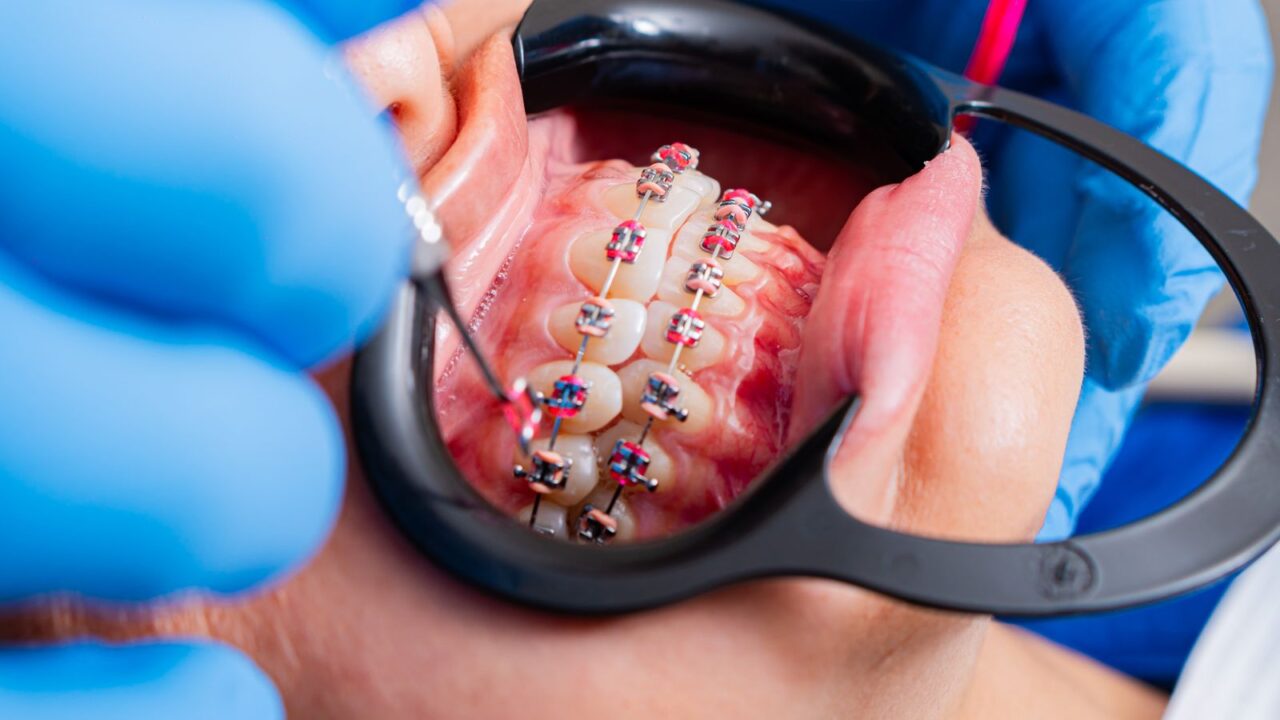
Braces turn a two-minute brushing routine into a five-minute one, and they give plaque far more places to settle. None of that is caused by the water. But water is what you clean the hardware with, and during a boil water advisory the water is the thing you cannot trust.
The daily question becomes narrow: what do I wet the brush with, what do I rinse the retainer in, and what goes near a healing implant site?
The short answer
- Brush with boiled-and-cooled or bottled water. CDC is explicit about this.
- Do not rinse your mouth, your brush, or your retainer under the tap.
- Never pour hot boiled water on a retainer or aligner. Heat warps thermoplastic and acrylic. Let it cool to room temperature first.
- Use safe water in a water flosser, and empty the reservoir afterwards.
- Call the orthodontist’s office about appointments, rinsing water and broken hardware rather than guessing.
- Treat implants and fresh extraction sites as wounds, because that is what they are.
Brushing with safe water
CDC’s instruction leaves no room for interpretation: brush your teeth using boiled water or commercially bottled water, and do not use tap water you have not boiled first.
A workable routine:
- Fill a cup before you start. Bottled water, or tap water that reached a rolling boil for one minute — three minutes above 6,500 feet — then cooled. Keep the cup on the counter, not in the sink where splash lands.
- Wet the brush in the cup, not under the faucet.
- Brush normally. Two minutes, soft bristles, angled at the gum line and worked around each bracket.
- Spit into the sink. Do not rinse with tap water afterwards. If you want to rinse, use the cup.
- Rinse the brush head in the cup, shake it out, and stand it upright to air dry away from the sink.
- Dump the cup and wash it daily like any other dish.
If bottled water is short, boil a pot in the evening and fill two lidded jars once it cools — one for the bathroom, one for the kitchen.

Water flossers and interdental brushes
A water flosser is a reservoir of standing water plumbed into your mouth at pressure.
- Fill it with bottled or boiled-and-cooled water, never straight from the tap.
- Empty and dry it after every use. Standing water in a warm bathroom is a growth chamber on a good day.
- Do not use it on a healing implant or extraction site unless your surgeon told you to. Pressure and fresh clots do not mix.
- Interdental brushes and floss need no water at all, which makes them the simplest tools to keep using. Floss threaders get under an archwire; superfloss handles a bridge.
Retainers and clear aligners
This is where expensive mistakes happen, and almost all involve temperature.
- Do not rinse them under the tap. Use bottled or cooled boiled water.
- Do not soak them in hot water to “sanitize” them. A retainer that goes into water near boiling comes out distorted, and a distorted retainer does not fit.
- Cleaning tablets: dissolve one in bottled water, follow the stated soak time, rinse with safe water.
- Clear aligners: brush gently with a soft brush and safe water. Skip toothpaste, which is abrasive enough to haze the plastic.
- Cases: they get rinsed in the bathroom sink out of habit. Wipe the inside with a disinfecting wipe, or wash with soap and safe water, then air dry.
- If you already rinsed a retainer under the tap before you knew, wash it with soap and safe water. It is not ruined.
Aligner users should also watch hand hygiene: trays go in and out of the mouth a dozen times a day, and hands washed with contaminated water undo the rest. The handwashing guidance covers the alternatives.
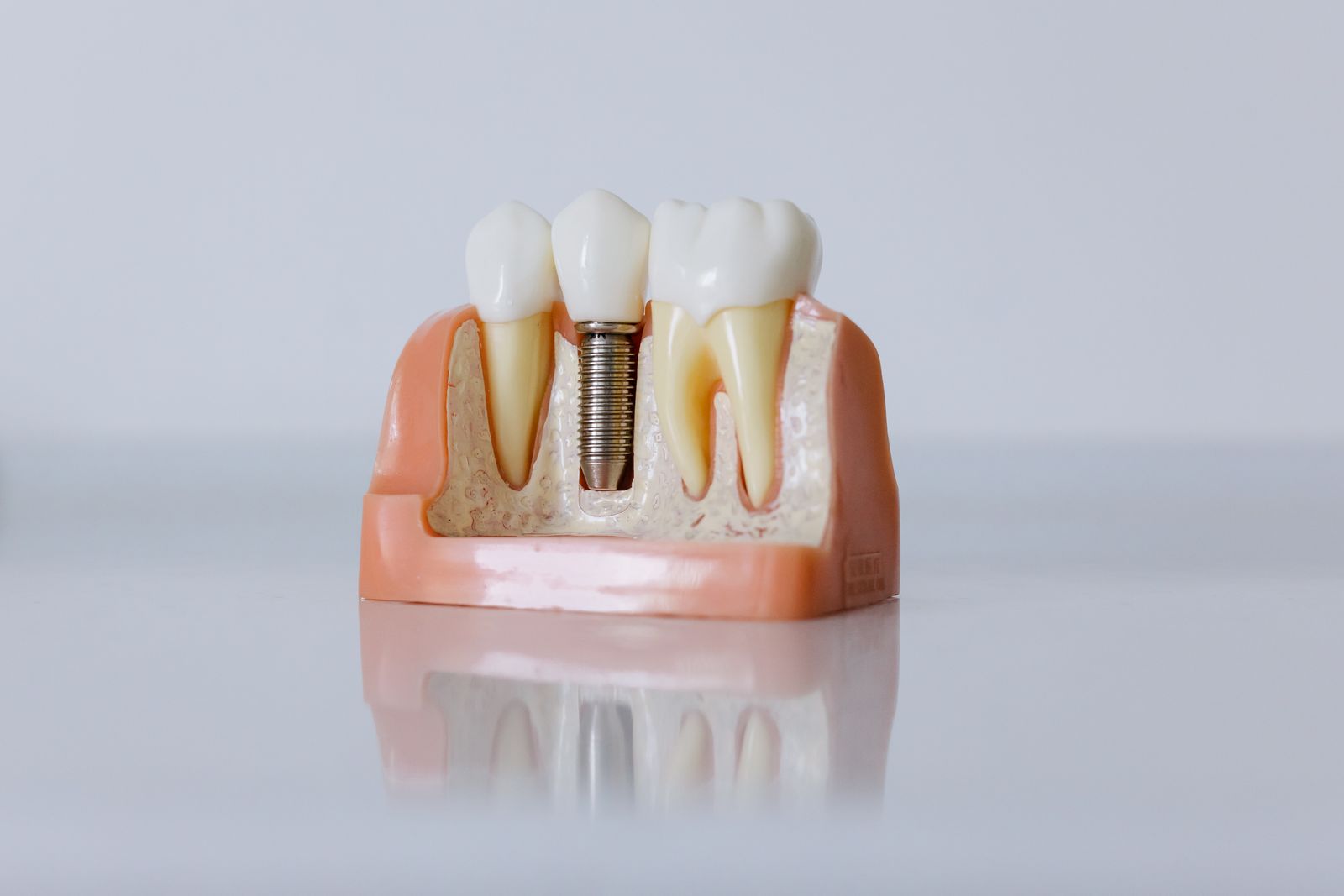
Implants, extractions and healing sites
An implant site is a wound, and state health guidance is more cautious about wounds than the federal advisory text. New York’s Department of Health tells people with open wounds, cuts, blisters or recent surgical wounds — and people who are immunocompromised — to use boiled-and-cooled water or water from an acceptable alternate source.
That covers a healing implant, a recent extraction or a gum graft.
- No tap water on the site, including rinsing.
- Salt water rinses: the usual half-teaspoon-of-salt-in-a-glass rinse, mixed with cooled boiled water. The salt does not disinfect; it helps the tissue. The water is the part that changes.
- Watch for trouble: increasing pain after the first few days, swelling, fever, a bad taste or discharge. Call the office rather than waiting it out.
If you are immunocompromised or on medication that suppresses healing, the stricter version of every rule applies. Start with the immunocompromised guide.
Kids in braces
Children swallow water while brushing. That is a reason to supervise, not a reason to skip it.
- Give them a cup and tell them to spit, not swallow.
- Brush younger children yourself with safe water. A six-year-old with brackets is not going to manage the gum line unsupervised anyway.
- If a child swallows a mouthful of tap water, the risk is low but not zero. Watch for stomach upset: norovirus shows up within 12 to 48 hours, *Cryptosporidium* in 2 to 10 days, *Giardia* in one to two weeks. The symptoms guide explains when to call a doctor.
Should you keep the appointment?
Call the office. Do not simply show up, and do not cancel on assumption either. Worth asking:
- Is the office inside the advisory area? If it is, it should be using bottled or boiled water for rinsing and for the water lines on the chairs.
- Are routine adjustments being rescheduled? A wire change can wait two days. A wire stabbing your cheek cannot.
- What should I do about a loose bracket or a lost ligature? Usually orthodontic wax and a phone call, not a same-day visit.
- Do you have distilled or sterile water for rinsing? A well-run practice answers this without hesitation.
Most advisories lift after two consecutive rounds of samples taken 24 hours apart, so a non-urgent appointment early in the week is often worth moving. How long an advisory lasts explains the timeline.

What not to do
- Do not “disinfect” a toothbrush in mouthwash. Mouthwash is not a water treatment and does not make tap water safe.
- Do not use hot tap water to soften a retainer. Hot tap water is no safer than cold, and heat is what ruins the plastic.
- Do not skip brushing because the water is inconvenient. Brushing with bottled water is easy; a week of skipped brushing around brackets is not.
- Do not assume a filter helps. CDC says to boil water even if it has been through a home filter. The filter guide explains why.
The bathroom sink is part of the problem
Two fixtures deserve attention once the notice lifts. The faucet aerator collects sediment and sits closest to your toothbrush: unscrew it, rinse it, reinstall it after flushing the line. The toothbrush cup and holder live in splash range; run them through the dishwasher or wash them with safe water and soap. The cleaning and sanitizing routine covers both.
If the notice is chemical, not microbial
A do not use advisory is a different problem. Boiling does not remove lead, solvents or fuel — it concentrates them. In that case no tap water touches your mouth, your retainer or your brush, and non-urgent dental appointments should be postponed. See does boiling remove lead and chemicals.

Bottom line
Brush with bottled or boiled-and-cooled water, keep a cup by the sink, and never put hot water on a retainer. Rinse a healing implant site with cooled boiled water and salt, not tap. Then call the office about anything broken, loose or painful. The hardware will survive a two-day advisory intact if the water you use on it is the water you would drink.
Sources
- CDC, *Drinking Water Advisories: An Overview*: https://www.cdc.gov/water-emergency/about/drinking-water-advisories-an-overview.html
- CDC, *How to Make Water Safe in an Emergency*: https://www.cdc.gov/water-emergency/about/index.html
- NYS Department of Health, *Boil Water Notices: Information for Residents and Homeowners*: https://www.health.ny.gov/environmental/water/drinking/boilwater/docs/faq_residents_and_homeowners_short.pdf
- CDC, *About Cryptosporidium*: https://www.cdc.gov/cryptosporidium/about/index.html
 Gyms and Fitness Studios During a Boil Water Advisory
 Talking to Kids About a Boil Water Advisory
 Boil Water Advisories and Diabetes: Feet, Hydration and Insulin