Can You Wash Your Hands During a Boil Water Advisory? Yes — Here’s How
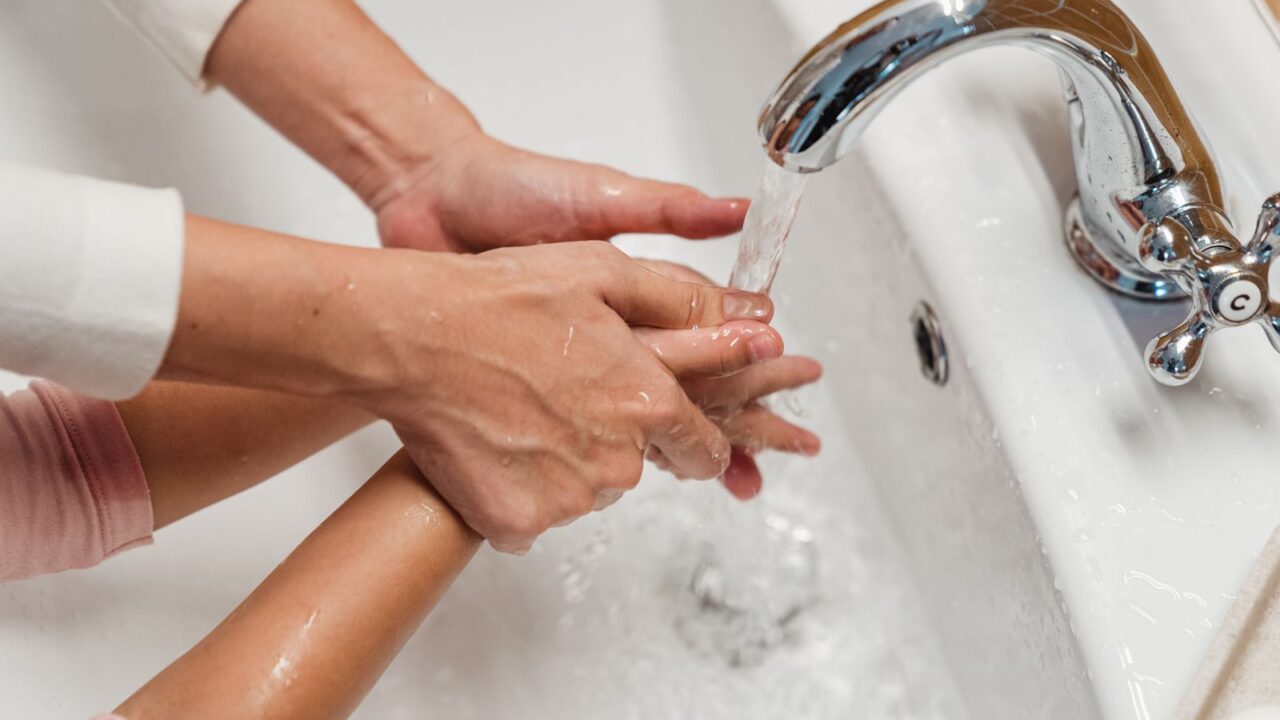
Every boil water advisory creates the same paradox. The single most effective way to stop the spread of the pathogens that caused the advisory is handwashing — and the tap you would normally use is the thing you are supposed to avoid.
The answer is not to stop washing your hands. It is to change the water you wash with. Hand hygiene matters more during an advisory, not less, because the organisms in the water can spread from hands to food, to faces, to other people.
This guide covers how to wash safely, how to set up a station that actually gets used, and where hand sanitizer fits — and does not fit.
The short answer
Wash your hands with soap and safe water. Safe means bottled water, or tap water that has been boiled for one minute and cooled.
Do not wash with unboiled tap water and then handle food, touch your face or prepare a bottle.
Hand sanitizer is a backup, not a replacement. Alcohol gel works against many bacteria and viruses, but it is much less effective against norovirus and useless against Cryptosporidium.
Keep a bottle at every sink. The habit fails when the safe water is in another room.
Why handwashing matters more, not less
A boil water advisory means the water may contain E. coli, norovirus, Giardia, Cryptosporidium or Shigella. All of them spread by the fecal-oral route, and hands are the main vehicle.
Consider the chain: you turn on the tap, fill a glass, and touch the faucet handle. The handle is now contaminated. Someone else touches it, then eats a sandwich. That is how a water problem becomes a household outbreak even when nobody drinks the water.
Handwashing with soap and safe water breaks that chain. Soap lifts the organisms off the skin; the rinse carries them away. The friction of 20 seconds of scrubbing does most of the work.
Setting up a handwash station
You do not need plumbing. You need a container with a spigot, soap and a towel.
- Fill a clean dispenser — a 2-gallon beverage cooler with a tap, a water jug with a spigot, or a large bottle with a pour spout.
- Place it beside the sink, not in it. The sink is the contaminated zone.
- Add a bottle of liquid soap and a stack of paper towels or a clean cloth towel that gets replaced daily.
- Add a small bucket underneath to catch the runoff if the sink drain is not usable.
- Label the container “handwash water” so nobody drinks from it or refills it from the tap by mistake.
Set one up in the kitchen and one in the bathroom. If someone in the house is ill, add a third near their room.
The 20-second method
The technique matters as much as the water.
- Wet your hands with safe water from the spigot.
- Apply soap and rub palm to palm, then the backs of the hands, between the fingers, the thumbs and under the nails.
- Scrub for at least 20 seconds — about the time it takes to hum “Happy Birthday” twice.
- Rinse with safe water, letting the water run downward from the wrists to the fingertips.
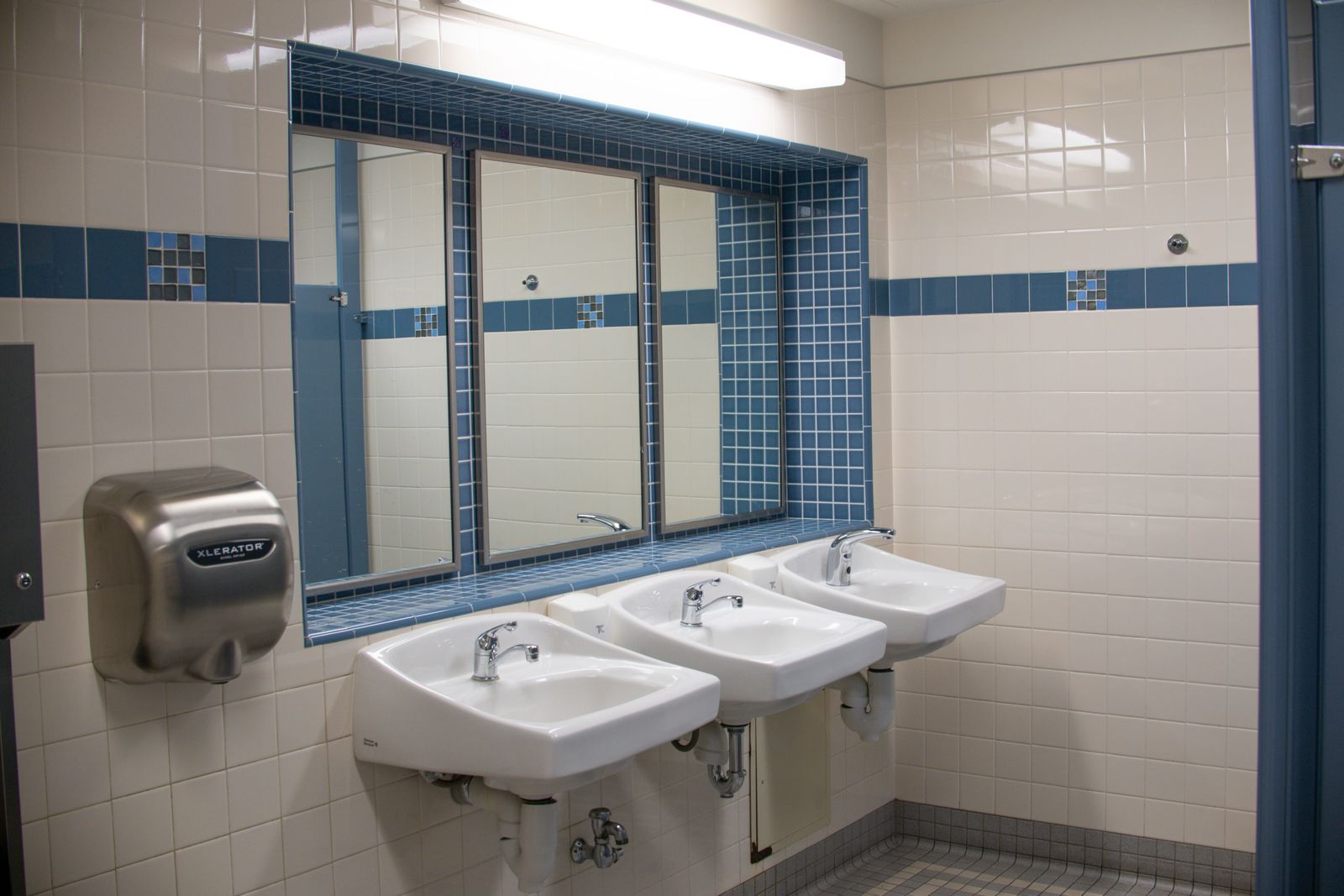
- Dry with a clean paper towel or a towel that is changed daily. Air dryers are fine if you have one.
- Turn off the spigot with the towel, not with your clean hand.
If the water supply is limited, a no-rinse alternative works: apply soap, scrub 20 seconds, wipe off with a wet wipe, then apply alcohol gel. It is not as good as a proper rinse, but it is far better than nothing.
Where hand sanitizer fits
Alcohol-based sanitizer (at least 60 percent alcohol) is useful in three situations:
- After touching shared surfaces: door handles, shopping carts, elevator buttons.
- When your hands are visibly clean but you cannot wash them.
- As a follow-up after washing, not instead of it.
It is not useful in three others:
- Visibly dirty or greasy hands. Alcohol cannot penetrate soil.
- Norovirus. Alcohol gels reduce norovirus less reliably than soap and water.
- Cryptosporidium. The parasite’s oocyst is resistant to alcohol.
For a household with a sick person, soap and safe water remain the priority.
Handwashing in public and at work
- Office restrooms: washing with tap water and soap is generally acceptable for healthy adults, as long as you do not drink the water. Use a paper towel to turn off the faucet and open the door.
- Restaurants and stores: carry sanitizer; assume the restroom tap is affected.
- Schools and daycares: staff should set up a supervised station with safe water, especially before meals and after diapering.
- Gyms: locker rooms are a high-risk area during an advisory — bring your own water and sanitizer, and skip the showers.
Our guide for schools, daycares and offices covers institutional setups.

Cuts, wounds and skin conditions
If you have a cut, scrape, burn or skin infection, tap water is not safe for cleaning it during an advisory.
- Clean wounds with bottled water or boiled-and-cooled water.
- Cover the wound before washing your hands, and change the dressing if it gets wet.
- Use gloves when cleaning up after a sick person or handling dirty laundry.
- People with eczema should use lukewarm safe water and moisturize immediately; frequent washing with contaminated water will make the skin worse, not better.
Keeping the habit alive
The failure mode in most households is not ignorance — it is fatigue. By day two, everyone is reaching for the tap again.
- Put a sticky note on the faucet: “use the bottle.”
- Move the soap next to the bottle, not next to the sink.
- Refill the dispenser every morning, so it never runs dry at the wrong moment.
- Give children their own small bottle with a sport cap.
Frequently asked questions
Can I wash my hands with tap water if I use a lot of soap? Soap helps, but it does not disinfect the water. Use safe water, especially before eating or preparing food.
Is hand sanitizer enough after using the bathroom? Use it only if safe water is unavailable, and wash properly as soon as you can.
Do I need to boil water just to wash my hands? If you have no bottled water, yes — boil a batch in the morning and keep it in a dispenser.
Can I use the garden hose to wash my hands? No. Hoses are connected to the affected supply and often harbor bacteria themselves.
What about dish soap — can I use it as hand soap? It works in a pinch but dries the skin. Liquid hand soap is better if you have it.


Bottom line
Do not stop washing your hands during a boil water advisory — change the water. Set up a dispenser with a spigot at each sink, keep soap and paper towels beside it, scrub for 20 seconds and rinse with safe water. Keep sanitizer for surfaces and emergencies, and remember that the faucet handle is one of the most contaminated objects in the house.
For the full household routine, see what to do during a boil water advisory. For the bathing question, see can you take a bath during a boil water advisory.
Sources
- CDC, *When and How to Wash Your Hands*: https://www.cdc.gov/handwashing/when-how-handwashing.html
- CDC, *Drinking Water Advisories: An Overview*: https://www.cdc.gov/water-emergency/about/drinking-water-advisories-an-overview.html
- NYS Department of Health, *Boil Water Notices: Information for Residents and Homeowners*: https://www.health.ny.gov/environmental/water/drinking/boilwater/docs/faq_residents_and_homeowners_short.pdf
 Gyms and Fitness Studios During a Boil Water Advisory
 Talking to Kids About a Boil Water Advisory
 Braces, Retainers and Implants During a Boil Water Advisory