Schools, Daycares and Offices: Running a Building During a Boil Water Advisory
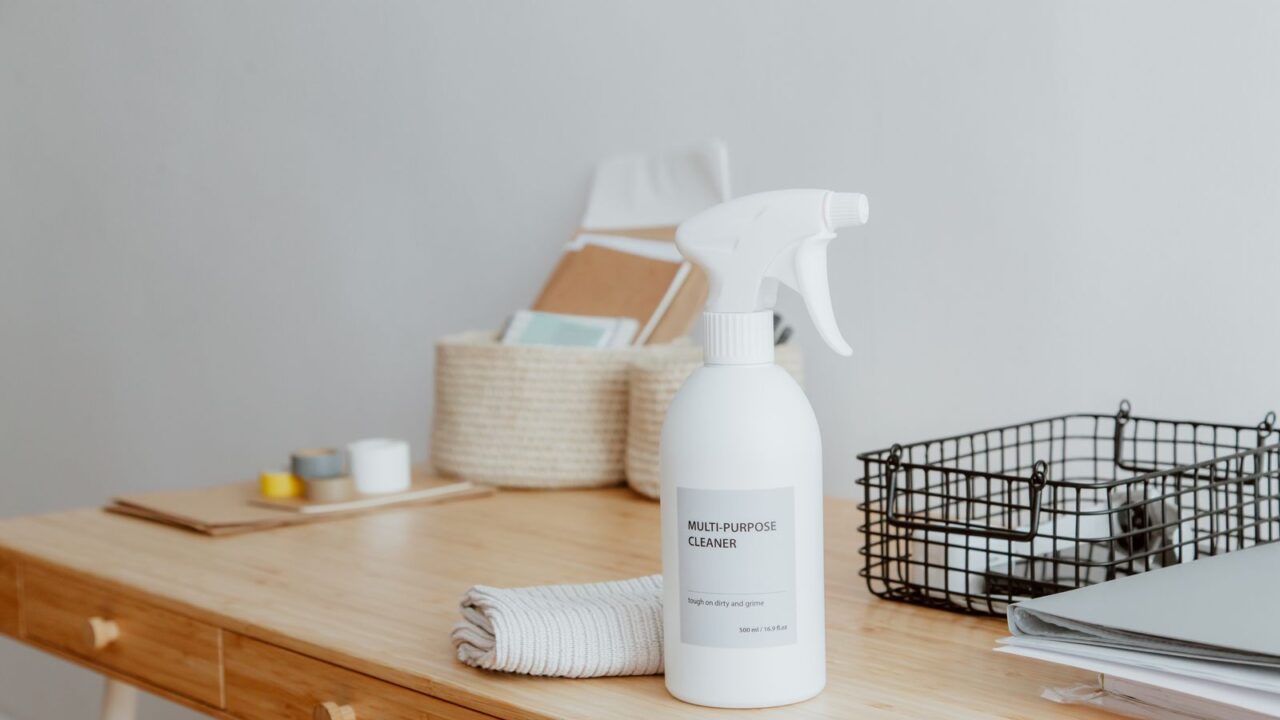
A boil water advisory that is a minor inconvenience at home becomes a logistics problem at scale in a building with hundreds of people: drinking fountains, cafeteria, bathrooms, handwashing stations, ice machines, cleaning crews, and parents asking whether it is safe to send their children.
The good news is that the playbook is well established. Schools, daycares and offices do not need to invent a response; they need to execute a documented one, and to communicate it clearly.
This guide covers what each type of building should do, what parents and employees should ask, and how to reopen safely.
The common rules
Every building, regardless of type, faces the same five issues:
- Drinking water: fountains and bottle fillers must be shut off and replaced with bottled water.
- Handwashing: soap and safe water at every station, or an alternate setup with bottled water and hand sanitizer.
- Food service: no tap water in cooking, ice, beverages or produce washing.
- Cleaning: surfaces cleaned with safe water; no filling buckets from the tap.
- Communication: staff, students and parents informed in writing, with dates.
The CDC’s core rule applies: do not use water from appliances connected to the water line. That covers fountains, ice machines, coffee brewers and soda fountains.
Schools
Drinking water. Shut off all fountains and bottle-filling stations. Post signs. Provide bottled water at designated points, and make sure students who need water with lunch or medication know where to get it.
Food service. The cafeteria must follow the same rules as a restaurant: bottled or boiled-and-cooled water for cooking, no fountain drinks, no ice from machines, produce washed with safe water. Many districts switch to a simplified menu or pre-packaged meals during an advisory, which is the sensible choice.
Handwashing. Classrooms with sinks may still have tap water. Provide bottled water and soap, or hand sanitizer as a supplement. Supervise younger children.
Nurses’ offices. Ice packs, eye washes and medication administration all involve water. Stock bottled or sterile water.
Special needs students. Children who require water for feeding tubes, tracheostomy care or medication need a documented plan and a dedicated supply.
Athletics. No practice that involves drinking from taps or hoses, and no shared water coolers filled from the tap.

Daycares and early childhood programs
Daycares have the highest stakes, because infants and toddlers put everything in their mouths.
Formula and bottles. Use ready-to-feed formula where possible. If powder is used, mix with bottled water, and for infants under 2 months follow the hot-water method. Prepare bottles individually rather than in batches, and sanitize nipples after each use.
Diapering. Wash hands with safe water and soap after every change. Use disposable wipes if water is limited. Keep diaper cream and clean diapers away from any sink area.
Toys and surfaces. Toys that go into mouths should be washed with safe water and sanitized daily. Discard play-dough, water tables and sensory bins that use tap water.
Water play. Cancel it. Water tables and sprinklers are the fastest route to ingestion.
Meals. Fruit and vegetables must be washed with safe water. If the kitchen cannot comply, serve foods that do not require washing.
Parent communication. Send a written notice the same day explaining what changed and what parents should do at home. Our guide to formula during an advisory is written for parents and can be shared.
Offices and workplaces
Water coolers. Bottled 5-gallon coolers are safe. Plumbed coolers and bottle-filling stations are not — shut them off.
Coffee and tea. Machines connected to the water line must be off. Provide bottled water and a kettle, or bring in pre-made coffee.
Ice and drinks. Turn off ice machines and soda fountains. Stock bottled or canned drinks.
Kitchens and break rooms. Post a notice at every sink. Provide bottled water for washing cups, or switch to disposable cups for the duration.
Restrooms. Handwashing with tap water and soap is generally acceptable for healthy adults — the risk comes from swallowing, not from skin contact. Provide hand sanitizer as a backup and post reminders not to drink from the tap.
Facilities and cleaning. Cleaning crews must not fill buckets or spray bottles from the tap. Use bottled or boiled-and-cooled water for food-contact surfaces.
Communication. A short email with the utility’s notice attached, the actions taken and a contact name is enough. Update it when the advisory is lifted.

What parents and employees should ask
A good question list, whether you are a parent or a staff member:
- Is the building’s water shut off at the fountains, or just signed?
- Where is drinking water available, and is it stocked all day?
- How are meals and snacks being prepared?
- Are infants’ bottles being prepared with bottled water?
- What happens at pickup if the advisory is still active?
- Who is the contact for questions during the day?
If the answers are vague, ask for them in writing.
Reopening and flushing
When the advisory is lifted, buildings need more than a sign change.
- Flush the system. Open every fixture, starting with the lowest in the building, and run cold water for several minutes.
- Flush the water heater — roughly 15 minutes for a 40-gallon tank, longer for larger.
- Run ice machines through three batches and discard them.
- Flush fountains and bottle fillers for several minutes, and replace inline filters.
- Run dish machines empty through a full cycle.
- Clean and sanitize food-contact surfaces and ice bins.
- Document the flush and notify staff and parents.
Larger buildings with long service lines or storage tanks should consult their water treatment vendor; flushing a big system is not a five-minute job.

Frequently asked questions
Can schools stay open during an advisory? Usually yes, if bottled water and alternate handwashing are in place. Districts sometimes close if they cannot meet the requirements.
Are bathroom sinks safe for handwashing? For healthy adults and children, handwashing with tap water and soap is generally acceptable, as long as nobody drinks from the tap. Provide hand sanitizer as a backup.
What about water fountains that have filters? Filters do not disinfect. Shut the fountain off.
How long should we keep bottled water on hand? Until the utility’s lift notice, plus a day for flushing. Keep a small reserve afterwards for the next event.
Do offices need to close? Rarely. Most can operate with bottled water and a few procedural changes.

Bottom line
The building version of a boil water advisory is the household version repeated at scale: shut off everything connected to the water line, provide bottled water everywhere people drink, use safe water for food and cleaning, and communicate in writing. When the notice lifts, flush the system and document it. The organizations that handle this well are the ones with a written plan before the notice arrives.
For the household routine, see what to do during a boil water advisory, and for food service specifics, restaurants and small businesses.
Sources
- CDC, *Drinking Water Advisories: An Overview*: https://www.cdc.gov/water-emergency/about/drinking-water-advisories-an-overview.html
- CDC, *Infant Formula Preparation and Storage*: https://www.cdc.gov/infant-toddler-nutrition/formula-feeding/preparation-and-storage.html
- FDA, *Food Safety During Power Outages and Floods*: https://www.foodsafety.gov/food-safety-charts/food-safety-during-power-outage
- NYS Department of Health, *Boil Water Notices: FAQ for Food Service Establishments*: https://www.health.ny.gov/environmental/water/drinking/boilwater/docs/faq_food_service_establishments.pdf
 Gyms and Fitness Studios During a Boil Water Advisory
 Talking to Kids About a Boil Water Advisory
 Braces, Retainers and Implants During a Boil Water Advisory