Cooking Pasta, Rice and Soup During a Boil Water Advisory
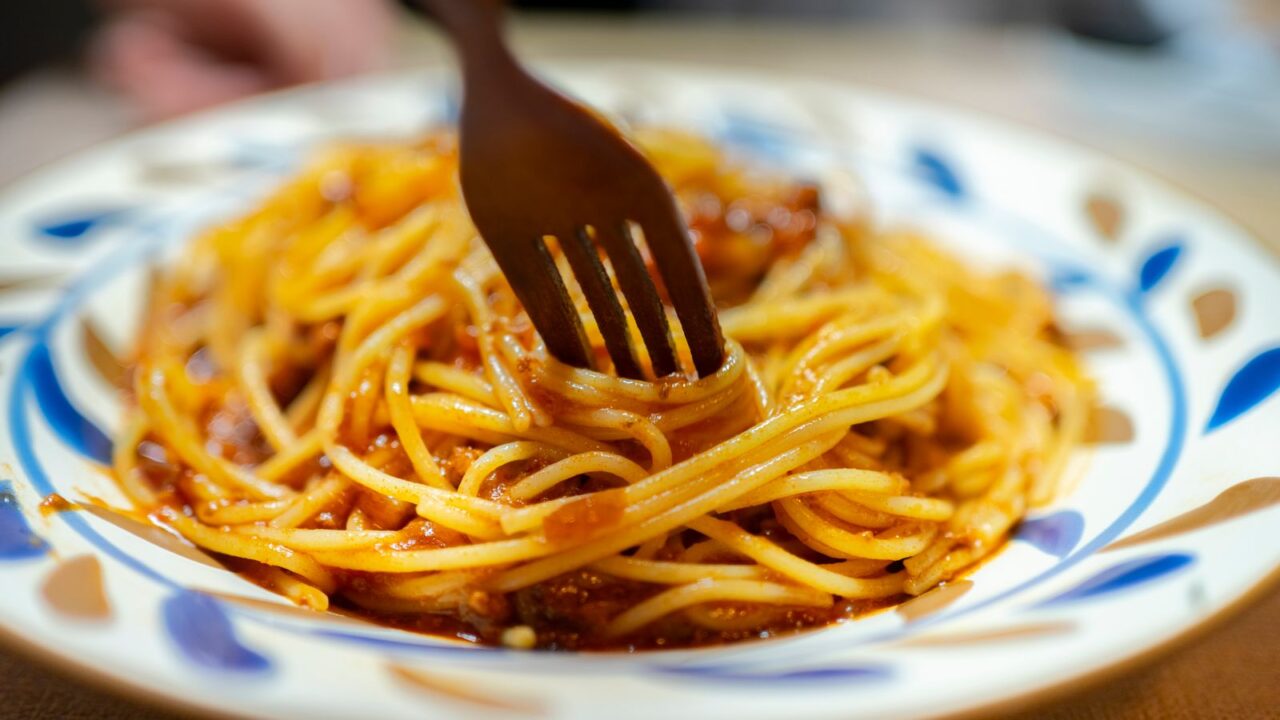
Cooking is where the boil water rules get confusing, because the obvious question sounds like a riddle: if boiling makes water safe, is pasta cooked in tap water already safe?
The answer is mostly yes — with three exceptions that catch people out. Rinsing the pasta afterwards. Topping up the soup at the end. And recipes that never reach a rolling boil at all.
This guide covers the safe way to cook staples during an advisory, how much water each dish actually needs, and how to keep cooking when your water supply is limited.
The short answer
Pasta, rice and soup cooked in a full rolling boil are safe. The water reaches 212 °F for eight minutes or more, which is far beyond the one minute needed to kill pathogens.
Do not rinse pasta or rice with tap water after draining. That reintroduces contamination on a surface that will not be cooked again.
Do not top up soup, stew or sauce with tap water at the end of cooking. Add safe water or adjust the seasoning instead.
No-cook and low-heat recipes are not safe: overnight oats, cold-soaked rice, ceviche, smoothies, salad dressings made with tap water, and anything that only reaches a simmer for a minute.
Why boiling makes pasta safe
Pathogens in water are inactivated by heat. A rolling boil for one minute at sea level is the standard; three minutes above 6,500 feet. Pasta boils for eight to twelve minutes, rice for fifteen to twenty, and soup simmers for an hour.
That means the water in the pot is safe long before the food is cooked. The food is also safe, because it is heated through.
What is not safe is anything added after the heat is off.

The three mistakes
1. Rinsing with tap water. Many cooks rinse pasta to stop it sticking, or rinse rice to remove starch. During an advisory, rinse with boiled-and-cooled or bottled water — or skip the rinse and toss the pasta with a little oil.
2. Topping up with tap water. A soup that is too thick gets a splash from the tap. Use safe water, or add stock made with safe water.
3. Assuming a simmer is enough. A slow cooker on low may never reach a rolling boil. A soup that simmers at 190 °F for an hour is probably fine in practice, but the safe standard is a full boil for at least a minute. If in doubt, bring it to a boil.
Water quantities that help you plan
During an advisory, water is a budget. These are the rough quantities for a family of four:
- Pasta: 4 quarts of water per pound. A pound feeds four as a main course. Use a wide pot so the water returns to a boil quickly.
- Rice: 2 cups of water per 1 cup of rice. Do not rinse the rice with tap water; if you must rinse, use safe water and drain it into a plant.
- Soup: 6 to 8 cups of water or stock for a pot serving four.
- Couscous and bulgur: 1.5 cups of boiling water per cup of grain — the water must be at a full boil when it goes in.
- Instant noodles: the water must be boiled, not just hot from the tap.
If you are short on water, one-pot pasta dishes use less: cook the pasta in just enough water to cover, then add the sauce to the same pot.
Safe cooking methods during an advisory
- Boiling and simmering: safe, as long as the water reaches a rolling boil.
- Steaming: safe; the steam comes from boiled water.
- Pressure cooking: safe and water-efficient. A pressure cooker uses far less water and reaches higher temperatures.
- Baking: safe if the recipe’s water is measured from a safe source.
- Microwaving: safe for reheating, but not a reliable way to disinfect water unless it reaches a rolling boil.
- Slow cooking: only if the recipe reaches a boil first.
Recipes to avoid for a few days
- Overnight oats and chia pudding
- Cold-brewed coffee and tea
- Smoothies and fresh juice
- Ceviche and other raw-fish dishes
- Salads washed in tap water
- Homemade ice cream and popsicles
- Infant cereal mixed with tap water
Cooking for someone who is immunocompromised
Add these precautions:
- Use bottled water for all cooking water, including pasta and rice.
- Avoid raw produce entirely; cook or peel everything.
- Keep a separate cutting board for raw meat.
- Reheat leftovers to steaming hot.
- Skip restaurant salads and fountain drinks.
Our guide for people with weakened immune systems covers the full list.
If the notice is about chemicals
Everything above assumes a microbial advisory. If the notice says “do not drink” or “do not use” because of a chemical:
- Do not cook with tap water at all, even boiled. Boiling concentrates lead, nitrate and solvents.
- Use bottled water for pasta, rice and soup.
- Discard any food that was cooked with contaminated water.
The distinction is explained in does boiling remove lead and chemicals.
Cleaning up
- Wash pots and utensils with safe water and soap.
- Do not pour pasta water down the drain if you are trying to conserve; let it cool and use it on ornamental plants.
- Wipe the stovetop and counter with a disinfectant afterwards.
Frequently asked questions
Is pasta cooked in tap water safe during a boil water advisory? Yes, if it boils for at least a minute. The heat kills the pathogens.
Can I rinse rice with tap water before cooking? No. Rinse with safe water, or skip the rinse.
What about a soup that only simmers? Bring it to a rolling boil for one minute before serving.
Can I use the pasta water for bread dough? Only if it came to a full boil. Otherwise use safe water.
Is it safe to eat at a restaurant during an advisory? Yes, if the restaurant is following the rules. Avoid salads, ice and fountain drinks. See restaurants and small businesses.

Feeding a family from a single pot
When water is rationed, the pot becomes the centre of the kitchen. Two habits help.
Cook once, eat twice. A pot of rice or pasta cooked in the morning can become a cold salad or a fried dish in the evening, using no extra cooking water.
Reuse cooking water where it is safe. Water used to boil pasta or vegetables has been at a rolling boil and is safe by the time it cools. Let it cool, pour it into a jug, and use it for washing up or for watering ornamental plants — not for drinking.
Keep a written tally on the fridge of how much safe water you have used that day. Families that track it consistently run out far less often than families that guess.
Bottom line
Cooking is one of the safest things you can do during a boil water advisory, because heat does the work. Boil the water, cook the food through, and do not reintroduce tap water at the end — no rinsing, no topping up, no cold recipes. With a pressure cooker or a one-pot method, you can also cut your water use in half.
For the kitchen routine, see washing dishes and coffee makers and ice machines.
Sources
- CDC, *Drinking Water Advisories: An Overview*: https://www.cdc.gov/water-emergency/about/drinking-water-advisories-an-overview.html
- FDA, *Food Safety During Power Outages and Floods*: https://www.foodsafety.gov/food-safety-charts/food-safety-during-power-outage
- CDC, *How to Make Water Safe in an Emergency*: https://www.cdc.gov/water-emergency/about/index.html
 Disinfecting Without Bleach: What Actually Works During a Boil Water Advisory
 Takeout and Delivery During a Boil Water Advisory: What to Order, What to Skip
 Cleaning and Sanitizing Your Kitchen and Bathroom After a Boil Water Advisory