Boil Water Advisories and Diabetes: Feet, Hydration and Insulin

A boil water advisory is inconvenient for most households and materially riskier for some. Diabetes puts you in the second group: infection is harder to fight when glucose runs high, dehydration pushes glucose higher still, and the daily foot check becomes urgent when the water you would normally wash with is suspect.
None of that requires a special stockpile. It requires knowing which parts of your routine touch tap water, and changing those parts for a few days.
Why the stakes are higher
High blood glucose slows healing and blunts the body’s response to infection. That is why a minor cut on a foot can become a serious wound in someone with diabetes and stay minor in someone without it. Add a waterborne gastrointestinal illness — diarrhea, vomiting, fever — and the two problems compound: illness raises blood glucose, high glucose worsens dehydration, and dehydration concentrates glucose further.
Diabetes is also the leading cause of lower-limb amputation in the United States.
Feet: the wound you cannot feel
Neuropathy does the damage quietly. A small stone in a shoe, a blister from a hot water bottle, a scrape on a step — any of these can go unnoticed until it is infected, because the sensation that would normally make you look is reduced or absent.
During an advisory:
- Check both feet every day, tops, soles, and between the toes. Use a mirror or ask someone to look.
- Do not walk barefoot, indoors or out, including in campground showers and on pool decks.
- Do not soak your feet in tap water. Soaking softens skin and creates an entry point, and suspect water is the last thing an open crack needs.
- Wash with safe water — boiled and cooled, or bottled — and dry thoroughly, especially between the toes.
- Change socks daily and check inside shoes before putting them on.
If you find a cut, blister, or red spot, treat it as a wound, not a nuisance. Clean it with safe water, cover it with a clean dressing, and keep weight off it.

Bathing and open wounds
Showering is generally allowed during a microbial advisory, with the usual caution about not swallowing water. New York State’s health department is more explicit for people with wounds: those with open cuts, blisters, or recent surgical wounds should use boiled-and-cooled or bottled water rather than tap water.
Practical version:
- Sponge bath at the sink with boiled-and-cooled water — less water, more control.
- Keep the shower short if you do use it, and keep your mouth closed.
- Cover existing wounds with a waterproof dressing before any contact with water, and change the dressing after.
Drinking water when you are dehydrated
The instinct to ration water is exactly wrong for diabetes. High glucose makes you urinate more, which loses fluid; losing fluid concentrates glucose; concentrated glucose makes you thirstier. Illness with vomiting or diarrhea accelerates the whole loop.
CDC’s baseline is 1 gallon per person per day for three days, more in heat or illness. For diabetes, add these:
- Drink before you are thirsty, and keep a bottle within reach overnight.
- Choose water over juice and regular soda. If you are treating a low, use your fast-acting glucose source as directed, then go back to water.
- Do not restrict fluids to stretch a supply. If you are running out, that is the moment to ask for help — a neighbor, the utility, the health department.
- Watch for dehydration signs: dark urine, dizziness on standing, dry mouth, confusion. Confusion in particular is a reason to call, not to wait.
Insulin and water
Insulin never touches water, and should not start now. A few rules:
- Never dilute insulin. It is not a concentrate to be mixed with water, and no water source makes that safe.
- Keep vials and pens dry and out of direct contact with ice or meltwater. Freezing destroys insulin, and a cooler full of melting ice is a bad place for a pen. Use a sealed bag, and keep a thermometer in the cooler if you are relying on it for days.
- Follow the label on storage. Unopened vials belong in the refrigerator; in-use pens usually stay at room temperature for a set number of days. An outage does not change those limits.
- Wash your hands with safe water and soap before every injection, and let the site dry.
If your only water is suspect and you have no boiled supply, hand sanitizer is a reasonable stopgap before an injection — but wash properly as soon as you have safe water.
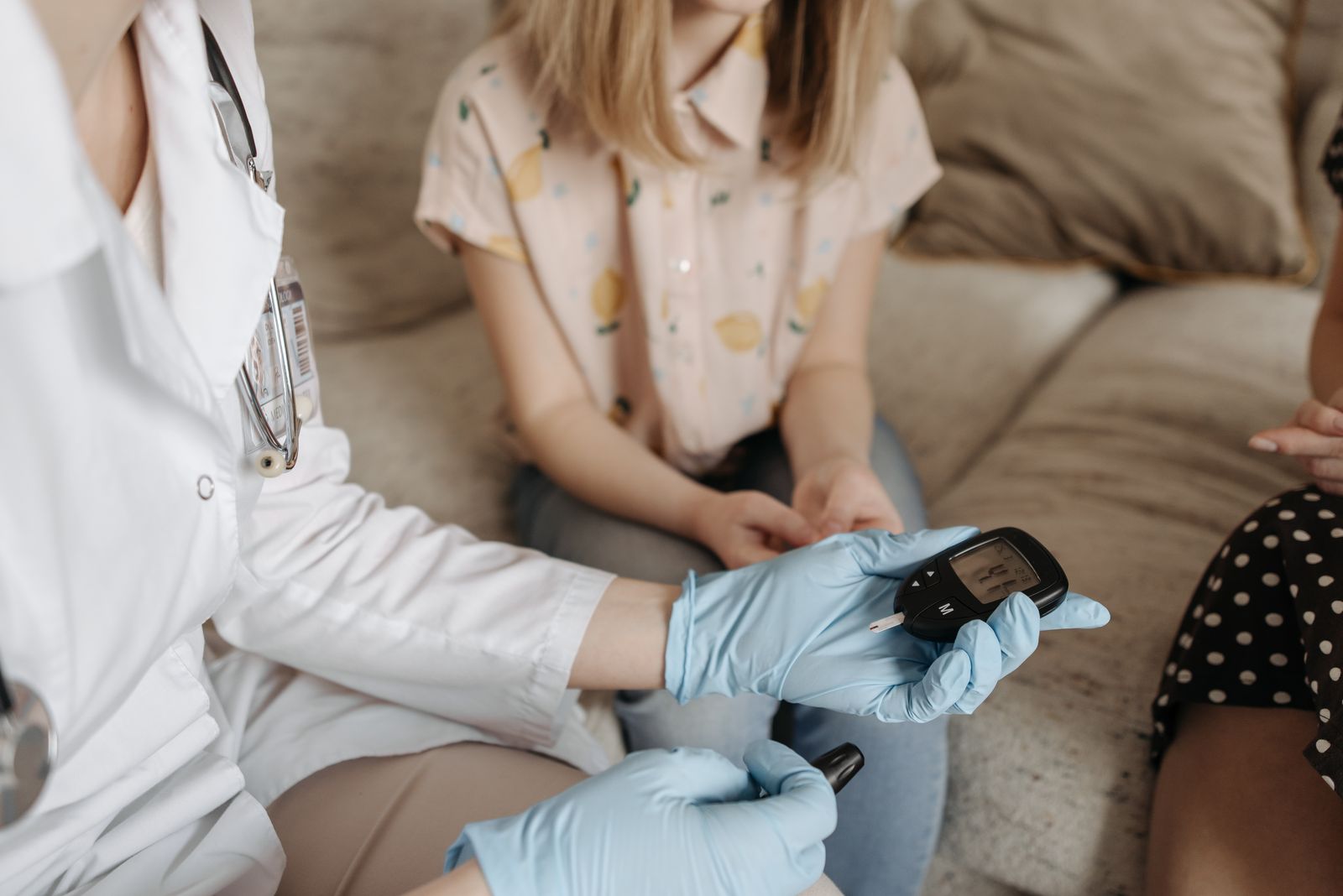
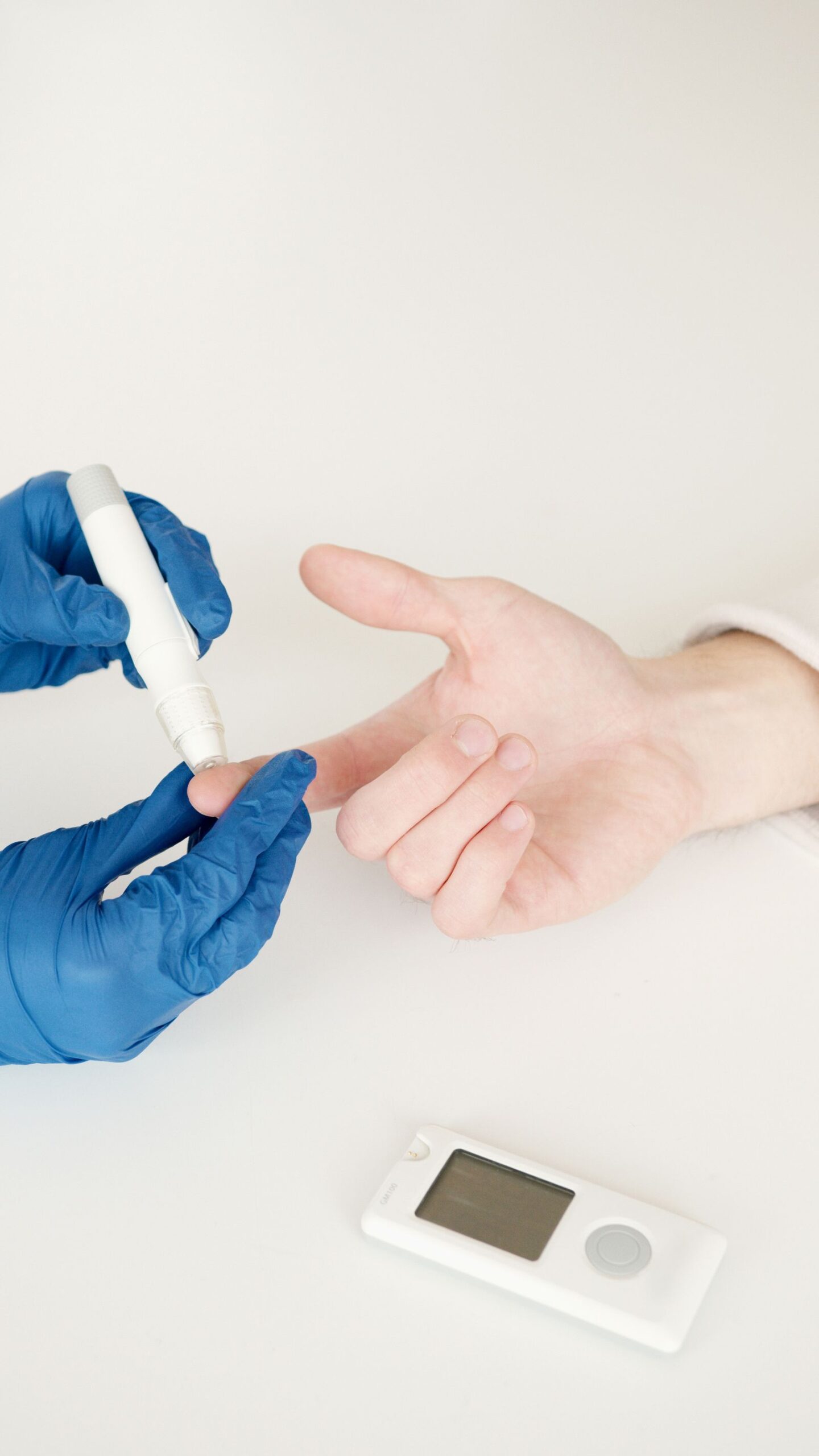
Fingersticks and clean hands
A reading is only as good as the finger you took it from. Residual sugar from fruit, lotion, or contaminated water can skew a number upward.
Wash hands with soap and safe water, dry them completely, and then test. If you cannot wash, use an alcohol wipe and let it dry fully — residual alcohol also affects readings.
The same applies to continuous monitors and pump sites: clean hands, clean skin, and a look at the adhesive site each time you change it.
Sick days: the plan you should already have
Gastrointestinal illness is what an advisory sets up, and it is what diabetes handles worst. The sick-day rules are not optional:
- Do not stop insulin because you are not eating. In type 1 diabetes, skipping insulin during illness is how diabetic ketoacidosis starts. Follow your care team’s sick-day plan.
- Check glucose more often than usual, and check ketones if you have type 1 and your glucose is high or you are vomiting.
- Keep taking fluids in small, frequent amounts if you are nauseated.
Write the plan down before you need it, including the phone number for your care team and the after-hours line. During an advisory is not the moment to reconstruct it from memory.
When to call rather than wait
CDC’s general thresholds for a waterborne illness are diarrhea or vomiting lasting more than two days, blood in stool or urine, a fever above 102 °F, or signs of dehydration. For diabetes, treat those as outer limits, not a waiting period — call sooner, and call immediately if you have:
- Vomiting you cannot keep fluids down with
- Glucose that stays high despite your usual correction
- Ketones, or symptoms of ketoacidosis: deep rapid breathing, fruity breath, abdominal pain, confusion
- A foot wound that is red, warm, swollen, or draining
- Signs of dehydration that do not improve with fluids
Say plainly that you have diabetes and that your water supply is under a boil water advisory. Both change the assessment.
What to keep on hand
A diabetes kit that assumes three days without a working tap:
- Seven days of insulin and pen needles, plus a way to keep it cool
- Twice your usual test strips, and ketone strips
- Glucagon, if prescribed
- Fast-acting glucose
- Bottled water — 1 gallon per person per day, plus extra
- Foot care: clean socks, a small mirror, dressings, and a way to wash with safe water
- Written sick-day plan and phone numbers
Review it every six months, alongside your stored water.
Frequently asked questions
Can I shower during a boil water advisory if I have diabetes? Yes, if you keep your mouth closed and keep it short. If you have an open wound or poor sensation in your feet, use a sponge bath with boiled-and-cooled or bottled water instead.
Can I wash a foot wound with tap water? No. Use boiled-and-cooled or bottled water, then cover with a clean dressing. Tap water during an advisory can introduce the organisms the notice is about.
Does boiling water make it safe for mixing with insulin? Insulin is never mixed with water. Boiling makes water safe to drink and to clean with, nothing more.
Bottom line
Diabetes does not change the water rules, but it raises the cost of getting them wrong. Boil for a minute or open a bottle; keep suspect water off your feet and out of open wounds; drink more than you think you need; keep insulin dry, cold, and undiluted. Check your feet every day, follow your sick-day plan, and call your care team earlier than the general guidance suggests — those thresholds were not written for a body that heals slowly.
For the wider picture, see people with weakened immune systems and what happens if you drink contaminated water.
Sources
- CDC, *About Diabetes*: https://www.cdc.gov/diabetes/about/index.html
- CDC, *Drinking Water Advisories: An Overview*: https://www.cdc.gov/water-emergency/about/drinking-water-advisories-an-overview.html
- NYS Department of Health, *Boil Water Notices: Information for Residents and Homeowners*: https://www.health.ny.gov/environmental/water/drinking/boilwater/docs/faq_residents_and_homeowners_short.pdf
 Gyms and Fitness Studios During a Boil Water Advisory
 Talking to Kids About a Boil Water Advisory
 Braces, Retainers and Implants During a Boil Water Advisory