Water Treatment Tablets, Iodine and Chlorine Dioxide: What They Do and Where They Stop
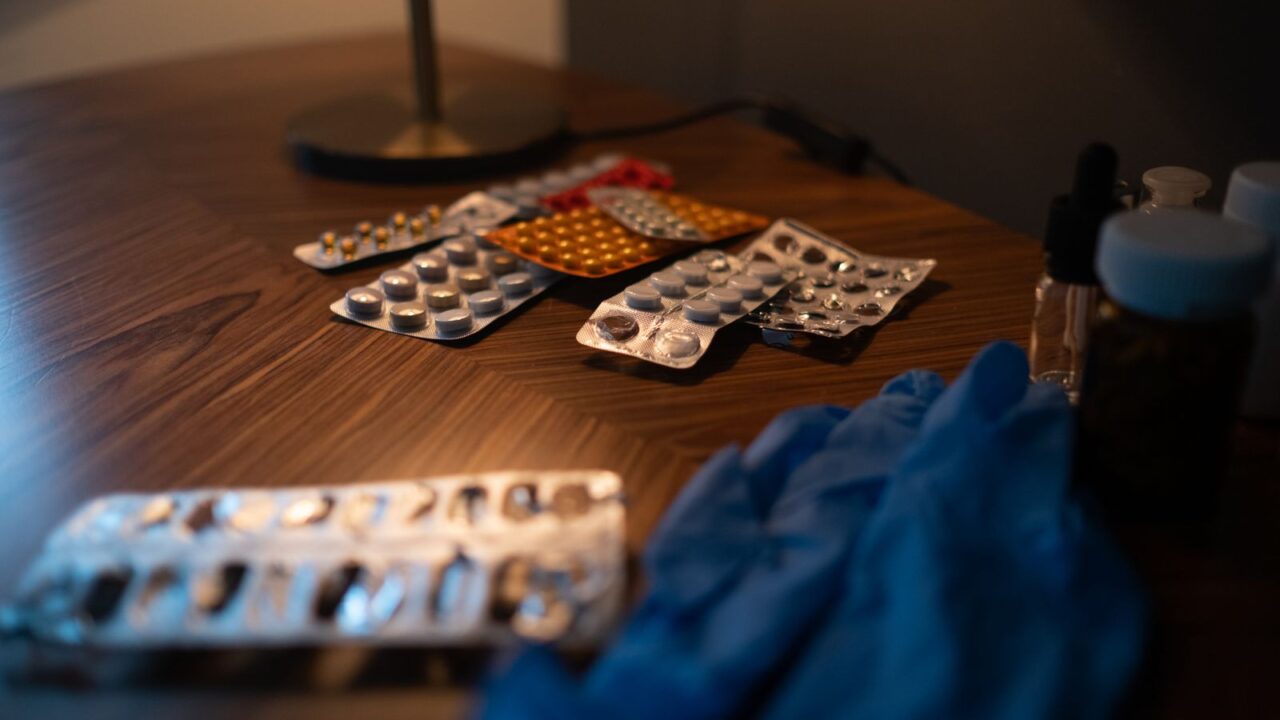
A tablet weighs about a gram, costs a few cents, and needs up to four hours to finish a job a stove does in one minute. That trade is fine on a backpacking trip and wrong in a kitchen with a working gas burner.
This guide covers the three chemistries sold as tablets, what their contact times actually accomplish, the health restrictions that come with iodine, and the cases where no tablet will help you.
Three chemistries on the shelf
Almost every product sold as a purification tablet is one of these:
- Chlorine dioxide (ClO2). The broadest spectrum of the three, and the only common tablet chemistry that claims effectiveness against *Cryptosporidium*.
- Iodine. Often tetraglycine hydroperiodide. Fast, light, stable, and effective against bacteria and viruses. It has real health restrictions and does not touch *Cryptosporidium*.
- Sodium dichloroisocyanurate (NaDCC). A dry chlorine donor, chemically in the same family as household bleach. Cheap, and effective against bacteria and viruses on the same terms as bleach.
Ignore anything that lists silver as its only active ingredient. In the United States, silver is approved for maintaining the quality of water you have already treated, not for disinfecting raw water.
Contact time is the product
A tablet does not sterilize water on contact. The chemical has to sit long enough to oxidize the cell walls of whatever is living in it, and that window is set by the label, not by how thirsty you are.
Most labels call for roughly 30 minutes for bacteria and viruses in clear water at room temperature. Chlorine dioxide products commonly specify several hours — up to four — when *Cryptosporidium* is a concern, because the oocyst wall is thick and the dose needed to break it arrives slowly. Follow the number printed on your bottle; it was set for that formulation, not for tablets in general.
Two things extend the clock. Cold water slows every reaction, so labels generally tell you to lengthen contact time in the cold. Cloudy water is worse: suspended sediment consumes the disinfectant before it reaches the germs, which is why clarification comes first and disinfection second.

Chlorine dioxide
Chlorine dioxide is the strongest of the three. CDC’s travel guidance states that it kills most waterborne pathogens, including *Cryptosporidium* oocysts, at practical doses and contact times. Chlorine and iodine are described in the same chapter as poorly effective against *Cryptosporidium*, even with extended contact.
The cost is time and fuss: the four-hour wait is real, and two-part liquid kits require mixing an activator, waiting, then adding the mixture to your water. Tablets skip the mixing but keep the clock.
Iodine
Iodine has been carried in hiking kits for decades. It is light, it keeps for years in a sealed bottle, and 30 minutes is usually enough for bacteria and viruses in clear water. Field concentrations also handle *Giardia* — the cysts are more resistant than bacteria, but not out of reach if you give the full contact time. Most iodine dosing is calibrated against *Giardia*, the hardest common organism it can beat.
What it cannot do is *Cryptosporidium*. No practical concentration of iodine kills those oocysts in a reasonable time, and crypto is a common cause of waterborne outbreaks from surface sources. If crypto is a realistic risk where you are drawing water, iodine is the wrong tablet.
Iodine also tastes medicinal and stains light-colored bottles.
Who should not use iodine
CDC’s guidance is specific, and it is not a cautious hedge:
- Pregnant women should not use iodine to disinfect water for prolonged periods, because of potential effects on the fetal thyroid. Heat, chlorination, or filtration are the alternatives.
- People with unstable thyroid disease should not use iodine at all.
- People with a known iodine allergy should not use it.
- Anyone drinking the same treated water for weeks should switch methods. WHO recommends limiting iodine-disinfected drinking water to a few weeks, because iodine is physiologically active and the exposure adds up.
For a household with a pregnant person or a thyroid condition in it, buy a chlorine dioxide product instead. This is one of the few places in water treatment where the choice is medical rather than preferential.
What tablets do not fix
- Chemicals. Lead, nitrate, pesticides, fuel, and solvents pass straight through. A tablet cannot make chemically contaminated water drinkable, and neither can boiling. See does boiling remove lead and chemicals.
- Salt. Seawater and brackish water need reverse osmosis or distillation. Tablets do nothing about salinity.
- Sediment. Muddy water needs to settle or be filtered through cloth first. Treating it as-is wastes the tablet.
- Large volumes. Tablets are dosed per liter or per quart. Filling a 40-gallon RV tank with them is expensive and easy to get wrong; bleach is the sane method at that scale, covered in bleach ratios for drinking water.
Tablets versus boiling
Boiling is the reference method for a reason. A full rolling boil for one minute — three minutes above 6,500 feet — kills everything that matters, including *Cryptosporidium*, without a four-hour wait, without dose arithmetic, and without depending on a tablet that sat in a hot car for two summers.
Tablets win on three things: they need no fuel, they work when the power is out and the stove is gone, and they weigh nothing. That makes them right for a daypack, a boat ditch bag, and a go-bag that might sit unused for years. They are wrong for a family of four waiting out a three-day advisory with a working kitchen.
Using tablets during an advisory
If the notice is microbial, tablets are a legitimate way to treat tap water — the contamination is the same class of organism they are designed for. Boiling is still preferred, and faster.
Three rules make the difference:
- Draw water into a clean container, not one that held something else.
- Clarify first if it is cloudy, then dose.
- Treat only what you will drink in the next day or so. The residual fades, and a bottle refilled from the tap is untreated water again.
If the notice is chemical, stop. Tablets are irrelevant to that problem, and so is boiling.
Storage and shelf life
Tablets degrade fastest when they are warm and damp. Keep the bottle capped, keep the desiccant pack inside, and store it out of a hot car or a sunny windowsill. A crumbled or discolored tablet is a spent tablet.
Replace at the printed expiry rather than topping up an old bottle, and write the open date on the cap. For the longer-term supply that tablets cannot serve, see emergency water storage.
The taste problem
Iodine tastes like a hospital. Chlorine dioxide tastes like a swimming pool that has been left alone. Both are drinkable and both get old by day three.
CDC lists three fixes: run the water through a filter containing granular activated carbon, add a pinch of powdered ascorbic acid (vitamin C), or add a few drops of 3 percent hydrogen peroxide per quart and stir. The vitamin C trick neutralizes the halogen, so add it only after the full contact time has passed — early, it cancels the treatment you just paid for.

Frequently asked questions
Do water purification tablets work during a boil water advisory? For microbial contamination, yes, with the label’s full contact time. Boiling is faster and more reliable, especially against *Cryptosporidium*.
Can I use iodine tablets if I am pregnant? No. CDC advises pregnant women against prolonged use of iodine-disinfected water because of effects on the fetal thyroid. Use chlorine dioxide, filtration, or boiling.
How long do tablets take? About 30 minutes for bacteria and viruses in most products, and up to four hours for *Cryptosporidium* with chlorine dioxide. The label governs.

Bottom line
Tablets are a compact, dependable way to make clear water safe when you have no heat, and they are slow, dose-sensitive, and limited in exactly the situations people assume they handle. Chlorine dioxide covers the widest range, including *Cryptosporidium*. Iodine is fast and cheap but off-limits in pregnancy and thyroid disease, and blind to crypto. None of them touch chemicals.
For a boil water advisory at home, the answer is a pot, a minute, and a lid. For a trail or a boat, it is a strip of tablets and a bottle you can wait on.
Sources
- CDC Yellow Book, *Water Disinfection*: https://wwwnc.cdc.gov/travel/yellowbook/2024/preparing/water-disinfection
- CDC, *How to Make Water Safe in an Emergency*: https://www.cdc.gov/water-emergency/about/index.html
- EPA, *Emergency Disinfection of Drinking Water*: https://www.epa.gov/ground-water-and-drinking-water/emergency-disinfection-drinking-water
 Home Water Test Kits Explained: Bacteria, Chemicals and When a Result Means Anything
 Disinfecting Water With Bleach: The Ratios That Actually Work
 A Flooded Private Well: Test, Disinfect and Flush Before You Drink