Can Pets Drink Tap Water During a Boil Water Advisory?
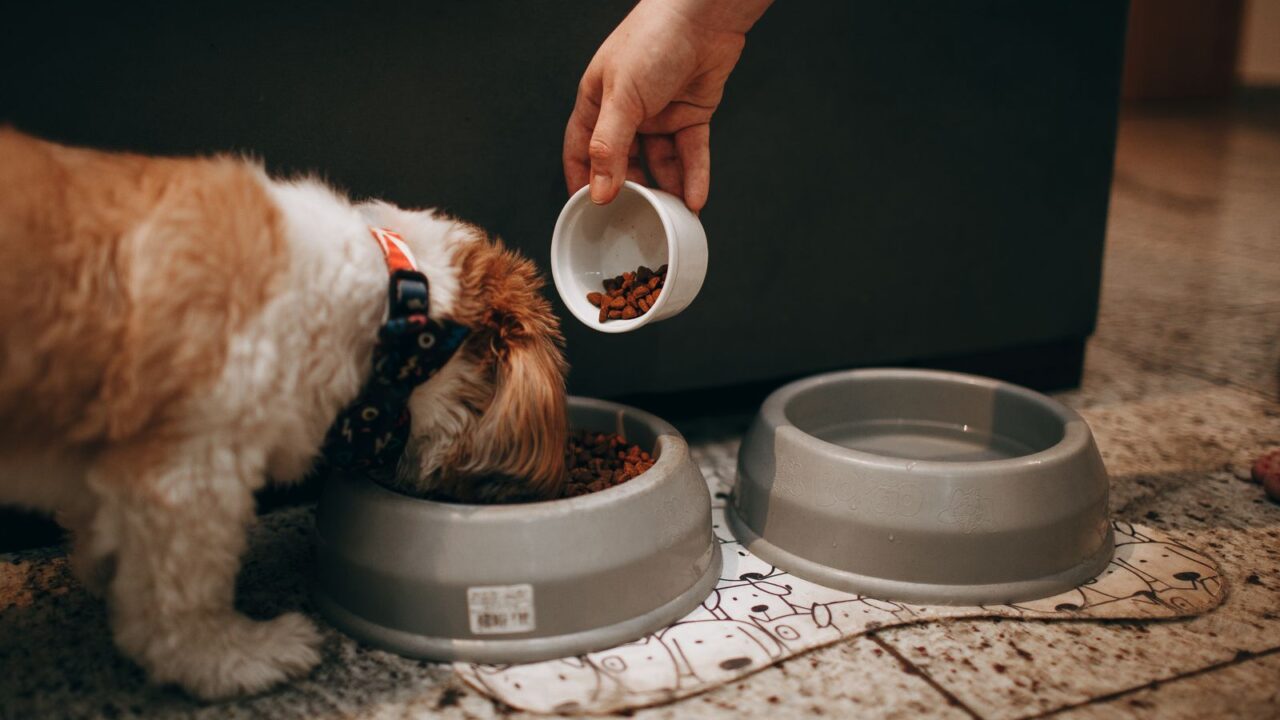
Boil water advisories are written for people, and most households translate them into a routine within an hour: bottled water for drinking, boiled water for cooking, no ice from the dispenser. Then someone notices the dog’s bowl is empty.
Pets are not immune to the pathogens that trigger these notices. E. coli, Giardia, Cryptosporidium, Salmonella and norovirus can all infect dogs and cats, and some of them can pass back to humans. A pet that drinks contaminated water may end up with diarrhea, vomiting and dehydration — and a ten-pound cat has far less reserve than a grown adult.
The good news is that the fix is simple: if the water is not safe for you, it is not safe for them. Here is how to handle bowls, bottles, fish tanks and everything in between.
The short answer
Do not give pets tap water during a boil water advisory. Give them bottled water, or tap water that has been boiled for one minute and cooled completely.
Clean bowls daily with hot soapy water made from safe water, and refill with safe water.
Do not let pets drink from toilets, puddles, gutters or outdoor taps during an advisory. Those sources are not protected by the notice and may be worse than the tap.
Fish tanks, reptiles and amphibians are a separate case — do not use boiled water there. More on that below.
Why pets are at risk
The pathogens in a boil water advisory are mostly fecal-oral: they enter through the mouth and infect the gastrointestinal tract. That route works exactly the same way in a dog or a cat.
Three factors make pets more vulnerable than people assume:
Body weight. A dose of pathogens that gives a 180-pound adult mild cramps can cause serious illness in a 12-pound cat.
Drinking habits. Dogs drink from puddles, toilets, plant saucers and garden hoses. During an advisory, those are all unregulated water sources.
Fast dehydration. Vomiting and diarrhea dehydrate small animals quickly. A cat that stops drinking for a day is already in trouble.
Some infections are also zoonotic, meaning they can pass from pet to person. Giardia and Salmonella are the usual suspects, which is why handling a sick pet’s bedding and bowls needs care.
How to give pets safe water
- Boil a batch in the morning. One minute at a rolling boil, then cool completely. Store it in a clean pitcher with a lid, labeled so nobody drinks it by mistake.
- Or use bottled water. Spring water is fine for pets. Avoid flavored or sparkling water.
- Fill bowls fresh two to three times a day. Stale water in a warm kitchen is a bacterial incubator.
- Wash bowls daily with hot soapy water made from safe water, rinse with safe water, and air dry.
- Clean water bottles and fountains thoroughly. Pet fountains recirculate water through plastic tubing and are difficult to sanitize; switch to a simple bowl during the advisory.
- No ice cubes from the dispenser. Dogs love ice; make it from safe water in a tray, or skip it.
If your pet is on medication that must be given with water, use the same safe water. If you are mixing powdered supplements or pet formula, use boiled-and-cooled water.

Signs your pet may have picked something up
Watch for these in the 24 to 72 hours after a possible exposure:
- Diarrhea, especially with blood or mucus
- Vomiting more than once
- Loss of appetite
- Lethargy or hiding
- Dry gums, sunken eyes, or skin that stays “tented” when pinched (dehydration)
- Increased thirst with no urination
Call your veterinarian if any of these last more than a day, if there is blood, or if the pet is very young, very old or pregnant. Do not give human anti-diarrheal medication without veterinary advice.
While your pet is ill, keep them away from the kitchen, wash your hands after contact, and clean bowls and bedding separately from household laundry. Our guide on what happens if you drink contaminated water covers the human side of the same organisms.
Livestock, chickens and outdoor animals
If you keep chickens, rabbits, goats or horses, the volumes involved make bottled water impractical. Practical options:
- Fill containers from a safe source — a neighbor outside the advisory area, a bulk water station if the utility provides one, or purchased water.
- For chickens and small livestock, boiled-and-cooled water works if you can produce enough; otherwise prioritize drinking water over cleaning water.
- Do not use water from a hose connected to the municipal supply during the advisory. Hoses are also a common source of bacterial growth even in normal times.
- Contact your county extension office or state agriculture department for guidance on livestock during a prolonged notice.
Fish tanks, reptiles and amphibians
This is where the standard advice breaks down.
Do not put boiled water in a fish tank. Boiling removes dissolved oxygen and concentrates minerals, and it does not remove chlorine or chloramine — it actually concentrates them. Fish need water that has been dechlorinated, not sterilized.
For small water changes during an advisory: use a commercial water conditioner on tap water as you normally would, or use bottled spring water (not distilled, not sparkling). Keep changes small — 10 to 20 percent — and monitor the fish.
Reptiles and amphibians are sensitive to chlorine and to temperature swings. Use dechlorinated water from a bottle, or let tap water stand with a conditioner for 24 hours. If your area is under a “do not use” order rather than a boil water advisory, do not use tap water for animals at all.
When in doubt, ask an exotic-animal veterinarian or a local aquarium shop — the wrong water can kill a tank faster than the bacteria you were trying to avoid.

Cleaning up after the advisory
Once the notice is lifted:
- Run the outdoor tap and the garden hose for two minutes before filling anything.
- Scrub all bowls, bottles and fountains with hot soapy water, then sanitize with a mild bleach solution and rinse thoroughly.
- Replace the filter in any pet fountain.
- Discard any ice or stored water you made during the advisory.
- Wash pet bedding on a hot cycle.
Frequently asked questions
Can my dog drink tap water if the advisory says only drinking water is affected? “Drinking water” includes what you give your dog. Do not use tap water for pets during an advisory.
Is bottled water safe for cats? Yes. Spring or purified water is fine. Avoid mineral-heavy or flavored water, and never give milk as a water substitute.
What if my pet already drank tap water? Most pets will be fine. Watch for vomiting and diarrhea for 72 hours, keep them hydrated with safe water, and call your vet if symptoms appear.
Can I bathe my dog during an advisory? Yes, but avoid getting water in the mouth and rinse with safe water if the dog has open skin. Do not let the dog drink bathwater.
Do I need to boil water for my pet’s kibble? If you add water to dry food, use safe water. Dry kibble itself is not a risk.

Bottom line
Treat pets like small family members with less reserve: no tap water, no puddles, no toilet bowls, no dispenser ice. Boil a batch in the morning or buy bottled water, wash bowls daily with safe water, and watch for stomach symptoms in the days after exposure. Fish and reptiles need dechlorinated water, not boiled water — a different problem with a different answer.
For the rest of the household plan, see what to do during a boil water advisory and washing dishes safely. If you are unsure whether your area is under a notice, check the live notices page.
Sources
- CDC, *Boil Water Advisory* — household and pet guidance: https://www.cdc.gov/water-emergency/about/index.html
- CDC, *Healthy Pets, Healthy People* — zoonotic disease basics: https://www.cdc.gov/healthy-pets/
- EPA, *Emergency Disinfection of Drinking Water*: https://www.epa.gov/ground-water-and-drinking-water/emergency-disinfection-drinking-water
- American Veterinary Medical Association, *Water safety for pets*: https://www.avma.org/

 Gyms and Fitness Studios During a Boil Water Advisory
 Talking to Kids About a Boil Water Advisory
 Braces, Retainers and Implants During a Boil Water Advisory