Can You Shave During a Boil Water Advisory? Cuts, Razors and Safe Water

Most boil water advisory checklists mention drinking, cooking, ice and brushing teeth. Almost none mention shaving — which is odd, because shaving is the one daily habit that deliberately creates open skin.
A razor does not just remove hair. It removes a thin layer of skin cells and leaves hundreds of micro-abrasions. On a normal day, that is harmless. During a water advisory, it is a direct route for bacteria to enter the body.
This guide explains the actual risk, how to shave safely with limited water, and when the right answer is simply to wait.
The short answer
Use safe water. Bottled, or tap water boiled for one minute and cooled. Do not rinse your face or the razor under the tap.
Avoid nicks. A cut during an advisory is more than an inconvenience; it is an entry point. Use a fresh blade, shave with the grain, and skip the closest shave.
People who are immunocompromised, have diabetes, or have any skin condition should skip shaving until the advisory is lifted, or use an electric razor with no water contact.
Barbershops and salons: hot towel shaves and razor work should pause unless the shop has a confirmed alternate water supply.
Why shaving is a real risk
State health guidance is explicit about “avoiding shaving nicks” during a boil water advisory, and the reason is straightforward.
- Micro-cuts. Even a shave that feels smooth leaves abrasions invisible to the eye.
- Direct contact. Water sits on the skin and in the razor for the duration of the shave.
- Warm, moist environment. A bathroom is warm and humid, which favors bacterial survival.
- Repeat exposure. Shaving is a daily habit, so a small risk is repeated thirty times during a month of advisories.
Skin infections from contaminated water are less common than gastrointestinal illness, but they are well documented, and they can be serious in people with diabetes or poor circulation.
How to shave safely
- Boil a small batch of water in the morning and keep it in a labeled bottle in the bathroom. One quart is enough for several shaves.
- Wash your face with safe water and soap, not the tap.
- Use a fresh blade. A dull blade drags and cuts.
- Apply shaving cream or gel, and let it sit for a minute to soften the hair.
- Shave with the grain, not against it. You will get a less close shave and far fewer nicks.
- Rinse the razor in a cup of safe water, not under the running tap. Change the cup water when it looks cloudy.
- Rinse your face with safe water and pat dry with a clean towel.
- Apply a post-shave balm or moisturizer. Skip alcohol-based aftershaves, which sting and dry the skin.
If you cut yourself
- Rinse the cut with bottled or boiled-and-cooled water — not tap water.
- Apply pressure with a clean cloth until the bleeding stops.
- Apply an antiseptic ointment and a small bandage.
- Watch for redness, swelling, warmth or pus over the next 48 hours; those are signs of infection and warrant a call to a doctor.
- If you are immunocompromised or diabetic, treat any cut as urgent and call your care team.
The electric razor option
An electric razor avoids water almost entirely and does not cut as close to the skin, which means fewer micro-abrasions. During an advisory it is the lowest-risk way to manage facial hair.
- Wipe the razor head with a disinfecting wipe after use instead of rinsing it.
- Do not share the razor.
- Clean the collection chamber over the trash, not the sink.
Hair removal creams and waxing
- Depilatory creams are applied and removed with a cloth. Use safe water to rinse, and do a patch test first; the chemicals can irritate skin that is already stressed.
- Waxing pulls hair from the follicle and can leave small open points. At home, use safe water for cleanup; at a salon, ask what water they use.
Barbershops and salons
A hot towel shave involves a wet towel on the face, a wet razor and repeated rinsing. During an advisory:
- Ask whether the shop has an alternate approved water supply, or whether it is using bottled water.
- Avoid razor shaves; ask for a clipper cut instead.
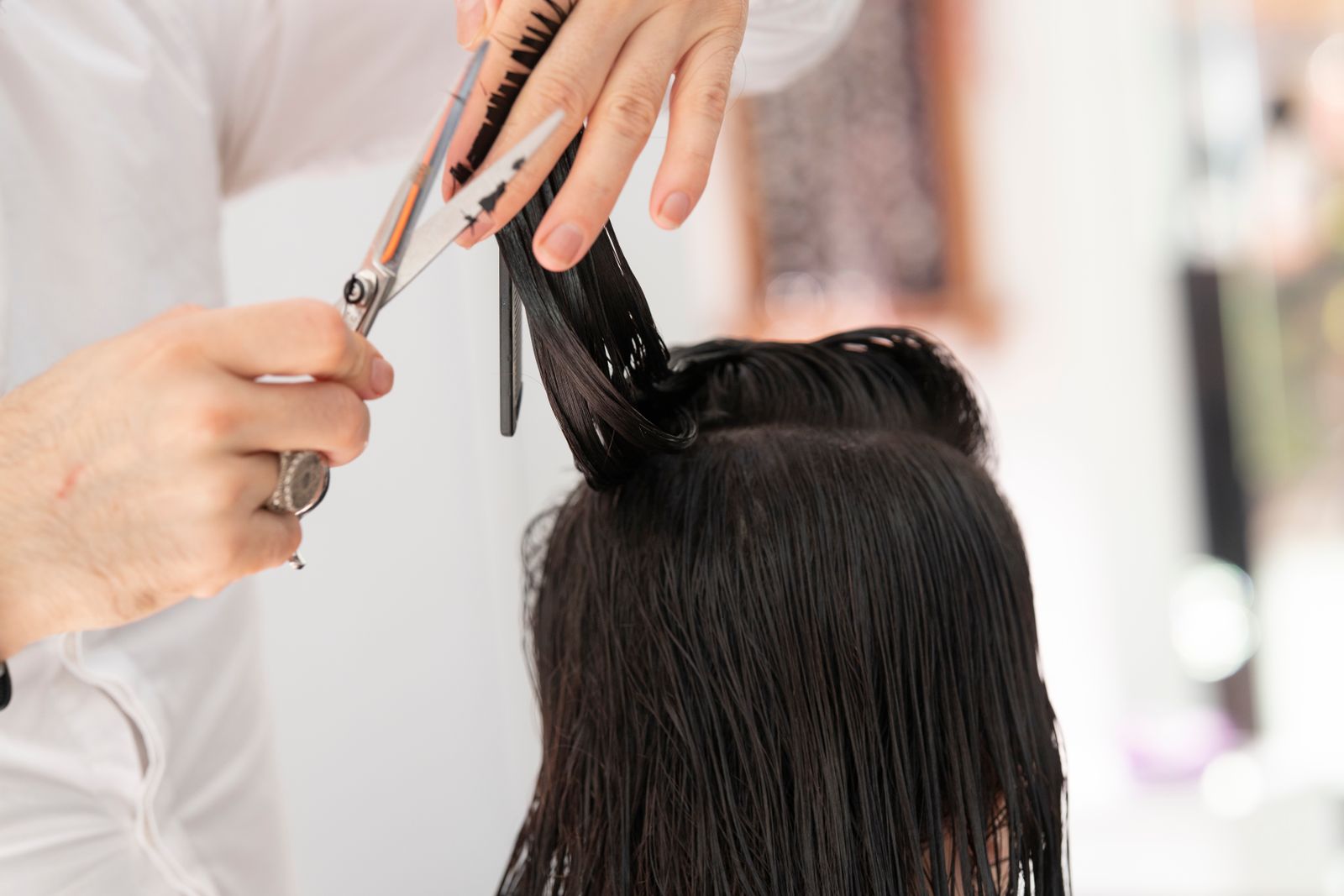
- Skip the shampoo basin if it is fed from the tap, or ask for a dry cut.
- Be cautious with any service that involves water on broken skin — shaving, waxing, threading with wet thread.
If the shop cannot answer the question clearly, reschedule.

Personal grooming beyond the face
- Legs and underarms: the same rules apply. Use safe water, a fresh blade, and skip if you have any cuts or a rash.
- Intimate shaving: higher risk because the skin is delicate and the area is warm and moist. Skip it during an advisory.
- Nail care: soaking nails in tap water can soften the nail plate and allow organisms under the cuticle. Use safe water or skip the soak.
When to skip shaving entirely
- You are immunocompromised, on chemotherapy, or have had a transplant.
- You have diabetes with poor circulation or neuropathy.
- You have eczema, psoriasis or any open rash.
- You have a cut, a boil or an infection on the area you would shave.
- The advisory is a “do not use” order rather than a boil water notice.
In those cases, an electric trimmer used dry, or simply waiting two days, is the better choice.
After the advisory
- Replace the blade you used during the advisory.
- Wash the razor handle with hot soapy water and disinfect it.
- Clean the bathroom sink and faucet handles.
- Wash towels and face cloths on a hot cycle.
Frequently asked questions
Can I shave with tap water if I do not cut myself? Micro-abrasions happen even without a visible cut. Use safe water.
Is shaving with cold water safer? Temperature does not matter; the water source does.
Can I use shaving cream as a substitute for soap? For shaving, yes. It does not disinfect, so still rinse with safe water.
What about an electric shaver I rinse under the tap? Do not rinse it under the tap during an advisory. Wipe it clean instead.
Can I get a haircut during an advisory? A dry cut is fine. Skip the shampoo and the straight-razor finish.

Razor care between shaves
A razor that sat in a wet sink during an advisory is not a tool you want against your skin. Between shaves:
- Rinse the blade in a cup of safe water, then shake it dry and stand it upright.
- Do not leave it lying in the sink basin or on the edge of the tub.
- Wipe the handle with a disinfecting wipe once a day.
- Replace disposable blades more often than usual; a blade that has been wet for days dulls and drags.
- If a blade has rust spots or visible residue, throw it away.
Small habits like these cost nothing and remove the part of the risk that has nothing to do with the water supply itself.

Bottom line
Shaving is a small ritual with a real route into the body. Use bottled or boiled-and-cooled water, a fresh blade and a with-the-grain technique, or switch to an electric razor for a few days. If you are immunocompromised, diabetic or have any skin condition, skip it until the notice lifts — a two-day beard is cheaper than an infection.
For the wider hygiene routine, see washing your hands and taking a bath during an advisory.
Sources
- NYS Department of Health, *Boil Water Notices: Information for Residents and Homeowners*: https://www.health.ny.gov/environmental/water/drinking/boilwater/docs/faq_residents_and_homeowners_short.pdf
- CDC, *Drinking Water Advisories: An Overview*: https://www.cdc.gov/water-emergency/about/drinking-water-advisories-an-overview.html
- CDC, *Skin Infections* — prevention basics: https://www.cdc.gov/hygiene/
 Gyms and Fitness Studios During a Boil Water Advisory
 Talking to Kids About a Boil Water Advisory
 Braces, Retainers and Implants During a Boil Water Advisory